Tag Archives: iPhone Repair

All posts related to iPhone Repair, including repair tips, specific iPhone generation repair details, iPhone parts, and repair news.

iPhone vs. Android: Which One Is Easier to Repair?

In today’s world, smartphones have become an integral part of our lives. However, accidents happen (see Common Smartphone Issues and How to Avoid Them), and our beloved devices can occasionally end up damaged. When faced with a broken screen, faulty battery, or any other issue, the repairability of a smartphone becomes a crucial factor. In this blog post, we will compare the repairability of iPhones and Android devices, highlighting the pros and cons of repairing each platform. Whether you’re an Apple enthusiast or an Android aficionado, understanding the repair options can help you make an informed decision.

Repairability of iPhones:

Apple’s iPhones have gained a reputation for their sleek design and user-friendly interface. However, when it comes to repairability, certain iPhone repairs are known to be more challenging compared to their Android counterparts. Here are the pros and cons of repairing an iPhone:

Photo by Joel Rohland on Unsplash

Pros:

  1. Apple Independent Repair Program (IRP): Apple has an extensive network of authorized service providers, ensuring that you can find reliable repair services in most areas. These providers use genuine Apple parts and are trained to handle iPhone repairs. iFixYouri is a member of this and can therefore provide some OEM Apple parts.
  2. Software Integration: Apple’s tight control over both hardware and software ensures better integration, allowing for efficient diagnosis and repair by authorized technicians.

Cons:

  1. Proprietary Components: Apple utilizes proprietary components, making it harder to find third-party replacements. This often leads to higher repair costs compared to Android devices.
  2. Complex Internal Design: iPhones are known for their intricate internal design, with components tightly packed together. This can make repairs time-consuming and challenging, requiring specialized tools and expertise.

Repairability of Android devices:

Android devices encompass a vast array of brands and models, offering diverse options to consumers. The repairability of Android devices varies depending on the manufacturer and model. Let’s examine the pros and cons:
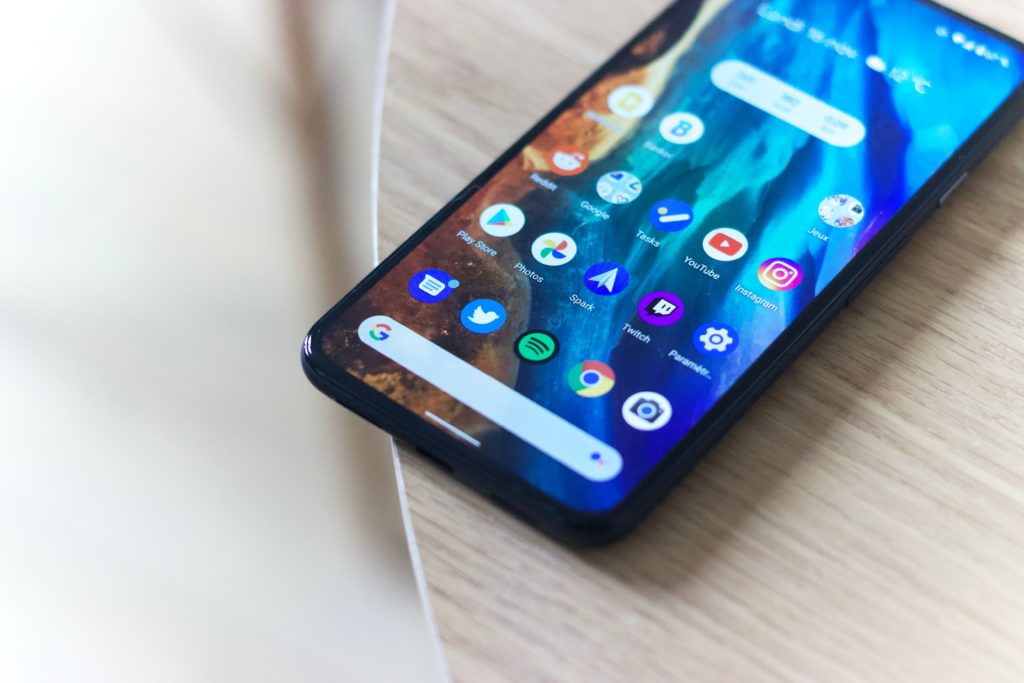
Repairability of iPhones Vs Android
Photo by Adrien on Unsplash

Pros:

  1. Component Availability: Android devices often use widely available components, making it easier to find third-party replacements. This can lead to more affordable repair options compared to iPhones. This doesn’t mean they are cheaper, however. Samsung screens can often be very expensive parts.
  2. Modularity: Some Android devices offer modular designs, allowing for the replacement of individual components rather than the entire device. This promotes cost-effective repairs and reduces electronic waste.

Cons:

  1. Fragmentation: Due to the diverse nature of the Android ecosystem, the availability of authorized service providers and genuine parts can vary significantly. This can make it challenging to find reliable repair options, especially for lesser-known brands or older models.
  2. Software Compatibility: Android devices run on different versions of the operating system, leading to potential software compatibility issues during repairs. This may require skilled technicians familiar with various Android configurations.

Recommendations based on preferences and needs:

  1. iPhone for Seamless Support: If you value a seamless support experience and are willing to pay a premium for authorized repairs, an iPhone might be the better choice. Apple’s extensive service network ensures consistent quality and access to genuine parts.
  2. Android for Affordability and Customizability: If cost-effectiveness and customization options are important to you, an Android device might be the way to go. Look for popular brands with good aftermarket support or consider devices with modular designs for easier repairs.
  3. Third-Party Repair Options: Regardless of the platform, consider seeking out reputable third-party repair services like iFixYouri that specialize in your device. Read reviews, inquire about warranties, and ensure they use high-quality components.

When it comes to the repairability of smartphones, iPhones and Android devices present distinct advantages and challenges. iPhones offer seamless support through authorized service providers but can be more expensive to repair due to proprietary components and complex internal design.

On the other hand, Android devices provide more affordable repair options and modularity in certain cases, but the availability of authorized services and genuine parts can vary.

Ultimately, the choice between iPhone and Android should be based on individual preferences and needs. Consider the pros and cons outlined in this article to make an informed decision that suits your requirements and budget.
The Importance of Using Genuine Replacement Parts in Smartphone Repairs

Smartphones are no longer just a luxury item. They have become an essential part of our daily lives, and we rely on them for communication, entertainment, and even work. When our phones break down, it can be incredibly frustrating, and we often want to get them repaired as quickly and cheaply as possible. However, using genuine replacement parts for smartphone repairs can be a great idea for several reasons. iFixYouri has the ability to source genuine parts for many popular iPhone screen and battery replacements.

Genuine Replacement Parts Quality

Genuine replacement parts are made to the same standard, typically even the same manufacturer, as the original parts that came with your phone. This ensures that the quality of the replacement parts is high, which means that they will be durable and long-lasting. When you use third-party or counterfeit parts, you may run the risk of getting slightly or even very inferior quality parts that may fail more quickly. That being said, iFixYouri uses genuine or the highest-quality-possible third-party parts only.

Compatibility

Using genuine replacement parts also ensures compatibility with your device. Smartphones are incredibly complex, and different models have different components that are not interchangeable. If you use a third-party or counterfeit part, the fit is sometimes slightly different, or in bad cases, it may not be compatible with your device, which can lead to problems in the future.

Safety

Using counterfeit or third-party parts can compromise the safety of your device. For example, if you use a counterfeit battery, it may not have the same safety features as a genuine battery, which could lead to battery swelling. Using genuine parts ensures that your device is safe to use.

Genuine Replacement Parts Warranties

Using third-party or counterfeit parts can void your warranty. If your phone is still under warranty, using non-genuine parts can invalidate your warranty, which means that you will not be able to get your phone repaired or replaced for free if something goes wrong. By using genuine parts, you can be sure that your warranty is still valid.

Cost-effectiveness

Using third-party or counterfeit parts may seem cheaper initially, but they may end up being more expensive in the long run. If you use non-genuine parts and they fail, you may end up having to replace your phone entirely, which can be much more expensive than using genuine replacement parts in the first place.

In conclusion, using genuine replacement parts for smartphone repairs is crucial for several reasons. It ensures quality, compatibility, safety, warranty protection, and cost-effectiveness in the long run. Don’t compromise the performance and safety of your device by using third-party or counterfeit parts. Always go for genuine replacement parts for your smartphone repairs.

Do You Really Need a New Phone? Not Really.

Typically towards the end of the year, tech companies release their line of new phones. Even though shiny new gadgets are tempting to purchase, especially for the holidays, they are not always worth it or necessary. So, do you really need a new phone? Not really.

Before you read about why a new phone is not necessary, we must acknowledge that there are certain cases in which you really do. 

Why You Need a New Phone

If a tech repair company with expert technicians can’t even fix your device’s problems, it is time to get a replacement. 

Your Phone is Outdated 

The 2000s called and they want their flip phone back (even though they are slowly coming back in style). The same goes for First Gen smartphones that aren’t so smart anymore. 

These types of phones are outdated in appearance and performance. Companies such as Apple only support their devices for a certain period of time. For example, iOS 14 is only compatible with the iPhone 12 Series and a few of its predecessors. If you have an iPhone 6 or later, Apple can no longer support it. 

This may not be an issue for you if you don’t mind missing out on the latest features. But not being able to update your device is worrisome because updates help prevent bugs, hacking, and performance issues. 

Another way to tell if your device is outdated is if you are still using a 3G network. A 4G network is 500 times faster than 3G,  and 5G is at least 10 faster than 4G. 

Your Photos are Videos Are Poor Quality

Many people purchase a phone for its camera and video quality. They can’t be blamed though. The iPhone 12 and other high-end devices have 4K video quality and take HD photos. Older devices were not made popular for their camera quality, being that the end results are grainy and blurry. 

If you want to document events with your camera phone but the quality is too poor, this is the perfect excuse to upgrade! 

You Don’t Have Enough Storage 

If your device can barely manage to store a 30-second video or a couple of photos, you need an upgrade. There are ways to make more space on your phone, but if you want to keep everything close by, 16 GB is not going to cut it. 

Now, many smartphones have up to 256 GB of storage. 

Your Phone Isn’t Your Style Anymore

Whether you have owned your current phone for 5 months or 5 years, if it no longer serves any purpose to you or is simply not your style anymore, you might as well get one that fits you best. You may own a smartphone but now want a flip phone. Yours may be red but you prefer blue. You may even want to switch brands completely. 

Why You Don’t Need a New Phone 

If you damage your device in any way, your first thought may be to replace it with a new one. Rather than waste your money, bring your phone to a tech repair shop such as iFixYouri, where expert technicians will repair your tech efficiently for a great price. 

Repair your phone with iFixYouri if it has: 

  • Poor battery life 
  • Shattered glass
  • Broken buttons 
  • Broken battery 
  • Water damage 
  • Won’t charge properly 

If you are looking to buy a new phone, be sure to check out Tech Reboot for the most money guaranteed. 

Do You Really Need a New Phone? Not Really. By iFixYouri.

Having a low-powered phone in a high-energy setting is not ideal. If you are always searching for a charger or anxiously trying to keep a five percent charge throughout your busy day, here is how to extend the battery life of your phone. 

The first two things you need to know about before reading any further is the difference between battery life and a battery’s lifespan. The battery life of your phone is the length of time you can use it before you need to charge it. Battery lifespan measures how long your phone’s battery will last before it has to be completely replaced. 

Prolonging the life of your phone isn’t just good for the planet, it’s good for your pocket as well. When you sell your iPhone, it will carry a higher resale value if it is in better condition. 

Battery Life Extending Basics

Here are a few reasons why your phone battery is always running low, starting with the basics:

  • Your apps overwork your phone 

Apps like Google, Facebook, and WhatsApp are known for draining battery life. If several of these apps are active while running in the background on your phone, it’s not hard to pinpoint why your battery is being drained.

  • Your software does not always have the latest updates

Software updates frequently include new battery-saving features not otherwise accessible. As your phone becomes more and more advanced, you will need to conserve more battery power.

  • The brightness of your screen is too high.

You can extend the life of your battery by simply turning down the screen brightness. You can also set your phone to automatically adjust its brightness based on the lighting conditions, or you can shorten its display time to use less light.

Specifically for iPhone’s, if you still notice that your device’s battery continues to function poorly, Apple suggests that you:

  • Charge Naked Sometimes the case of your phone is to blame for its low battery life. Some phone cases can cause your phone to generate excessive heat. An easy solution is to charge your phone without the case.
  • Keep It Cool, or Warm It Up Apple recommends that iPhones, iPads, iPods, and Apple Watches operate best between 32° and 95° F. Temperatures between 62° and 72° are ideal for these devices. If you keep your smartphone above 95°F it can cause permanent damage to the software and battery life. If you store a battery in a cold environment, it will perform poorly. Fortunately, batteries can recover from cold temperatures quickly.
  • Store your device properly If you are planning to store your devices, make sure they are not fully charged and the temperature is appropriate. Your device only needs to be charged to 50 percent. Don’t store your device while it is dead or else it may never be able to hold a charge again. At the same time, don’t store a battery that is fully charged, as the capacity will gradually diminish over time. 

Apps and Settings for Better Battery Life

Apps and settings come with most smartphones to help you better manage battery life.

Low Power Mode is one of the tools that helps preserve battery life. Apple says that its Low Power Mode optimizes device performance, reduces screen brightness, and prevents background content downloads.

You can also view Battery Health, Maximum Capacity, and Peak Performance Capability as well as weekly and daily battery stats in the General Battery Settings.

You may also be able to find a list of apps used by percentage, the amount of time spent on each app each day, and the number of times each app runs in the background.

If the tips listed do not improve the battery life of your phone, you may need to seek help from a phone repair expert. Often, it’s not the battery that’s causing the issue, it’s something else entirely. Rather than trying to repair your phone yourself, have it repaired by experts for a reasonable price.

How To: iPhone 6s Rear Camera Repair

Tools Needed

  • Pentalobe Screwdriver #000
  • Metal Spudger
  • Phillips head Screwdriver
  • Spudger
  • Tweezers
  • Recommended: Magnetic mat, screw capsules

Parts Needed

iPhone 6s Rear Camera

General Repair Guidelines

  • Always use good lighting – smart device components are small and you’ll need plenty of light to see what you are doing.
  • Maintain a clean, organized work space so you don’t lose or confuse any components.
  • Group your screws so you can keep track of where they came from. Most screws can not be interchanged.

Introduction

The iPhone 6s rear camera replacement is moderately difficult. Several flex cables can be torn easily so use caution. Loosening the adhesive that keeps the screen sealed to the body requires properly heating them with a dehydrator or heat gun.

iPhone 6s Rear Camera Replacement Steps

Remove the Screen

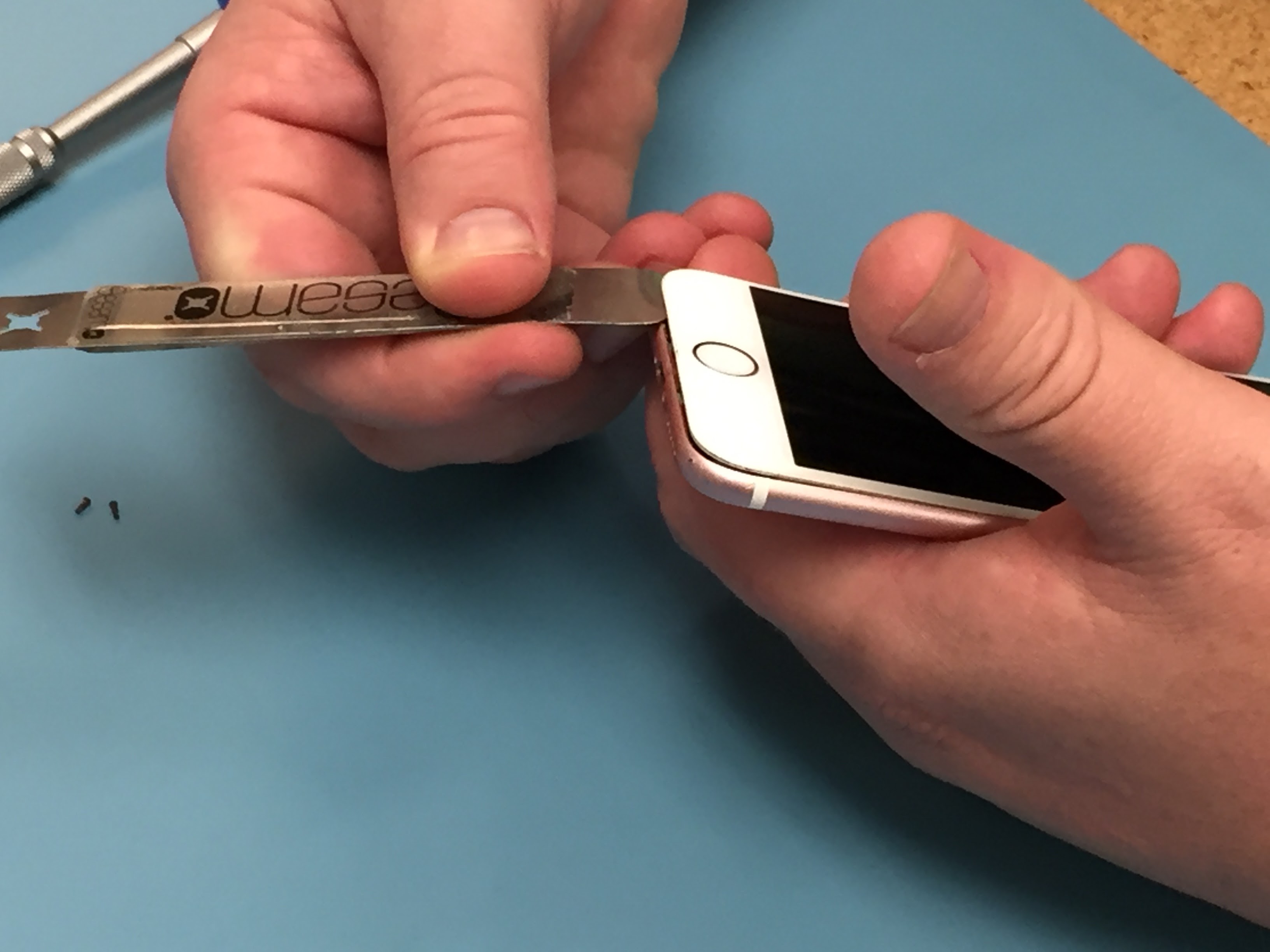
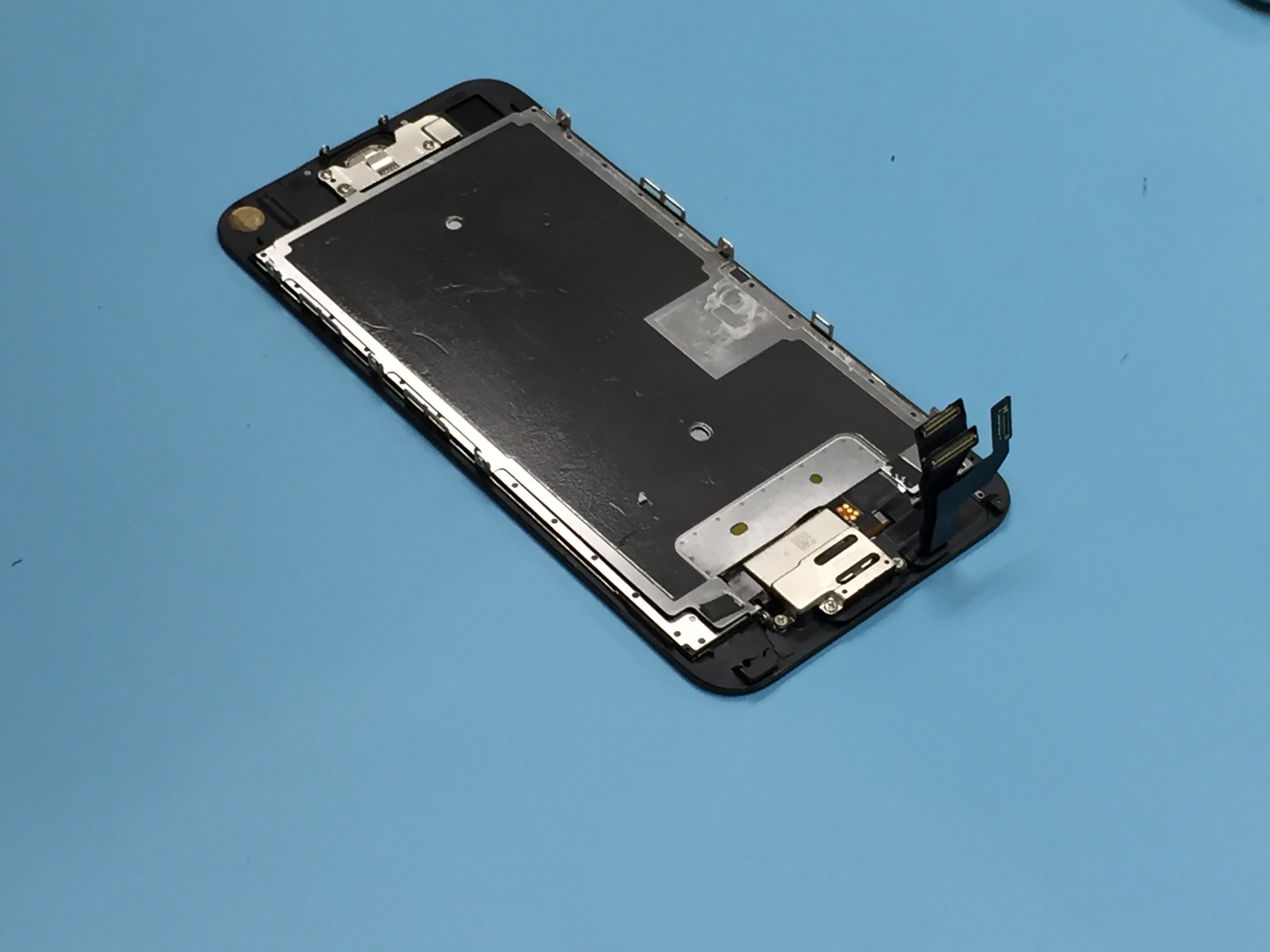
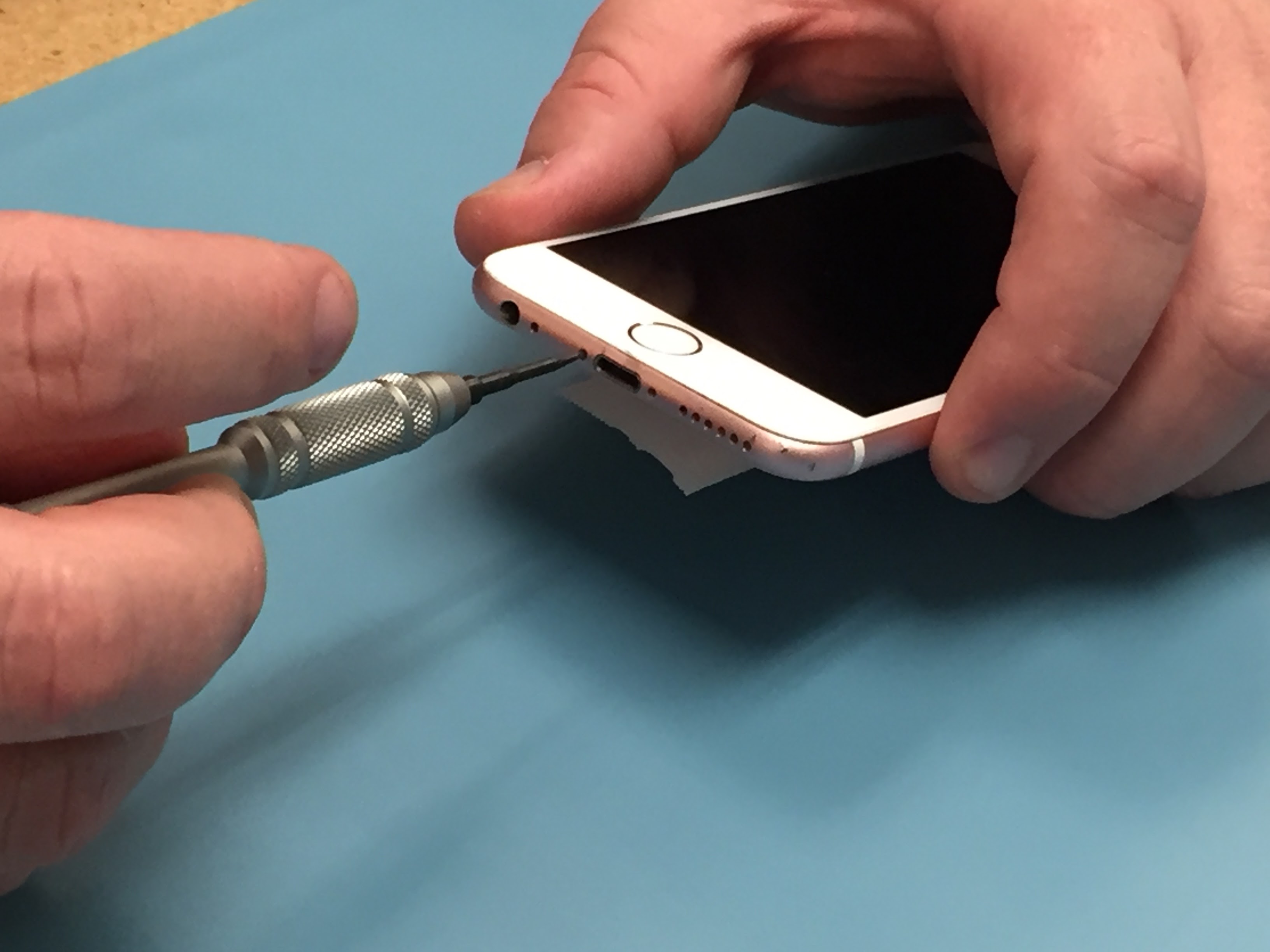
  1. Remove the two pentalobe screws on either side of the lightning port on the bottom of the iPhone.
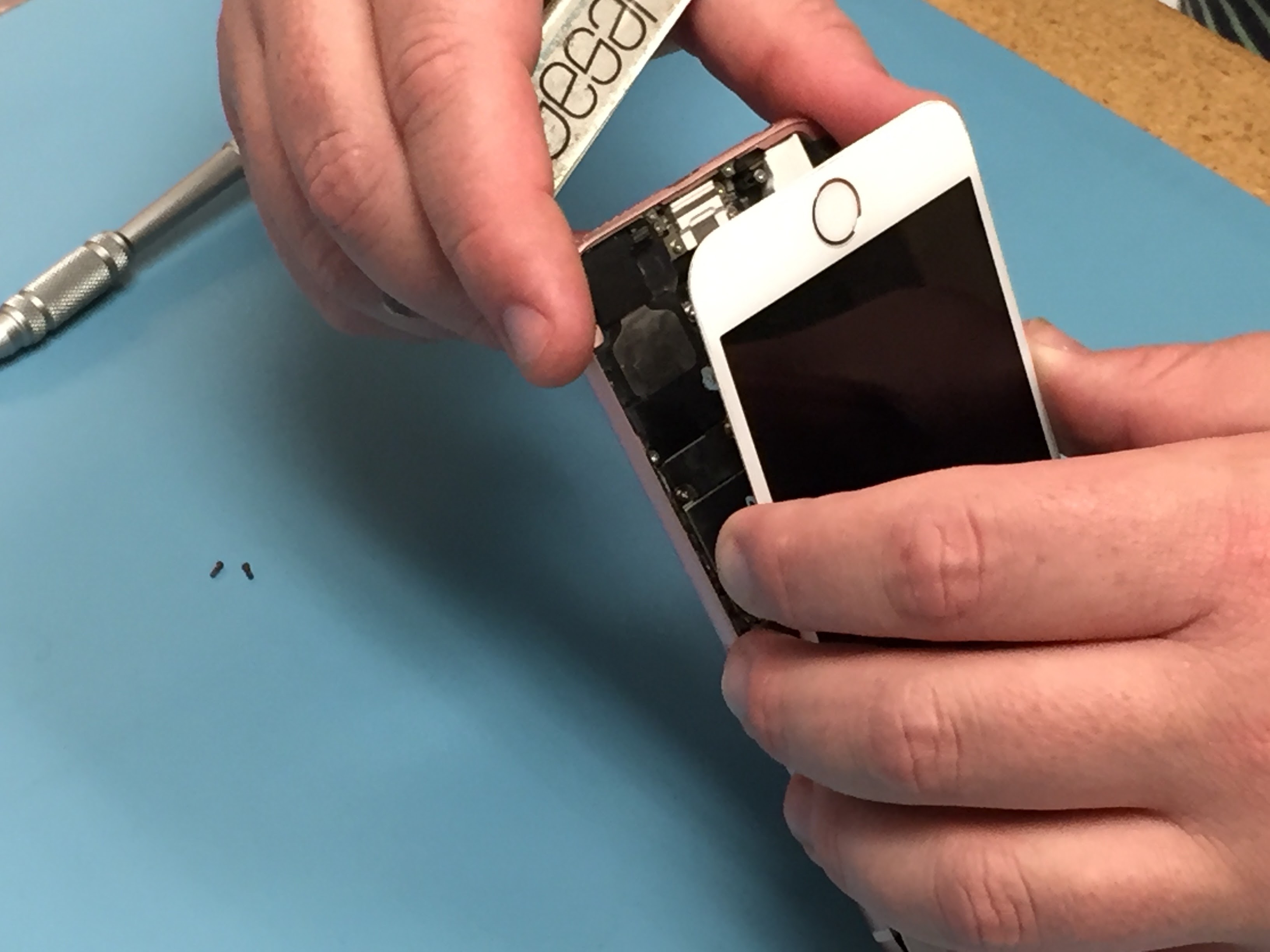
  2. Starting at the bottom edge of the phone, use the metal spudger to pry the screen away from the body.
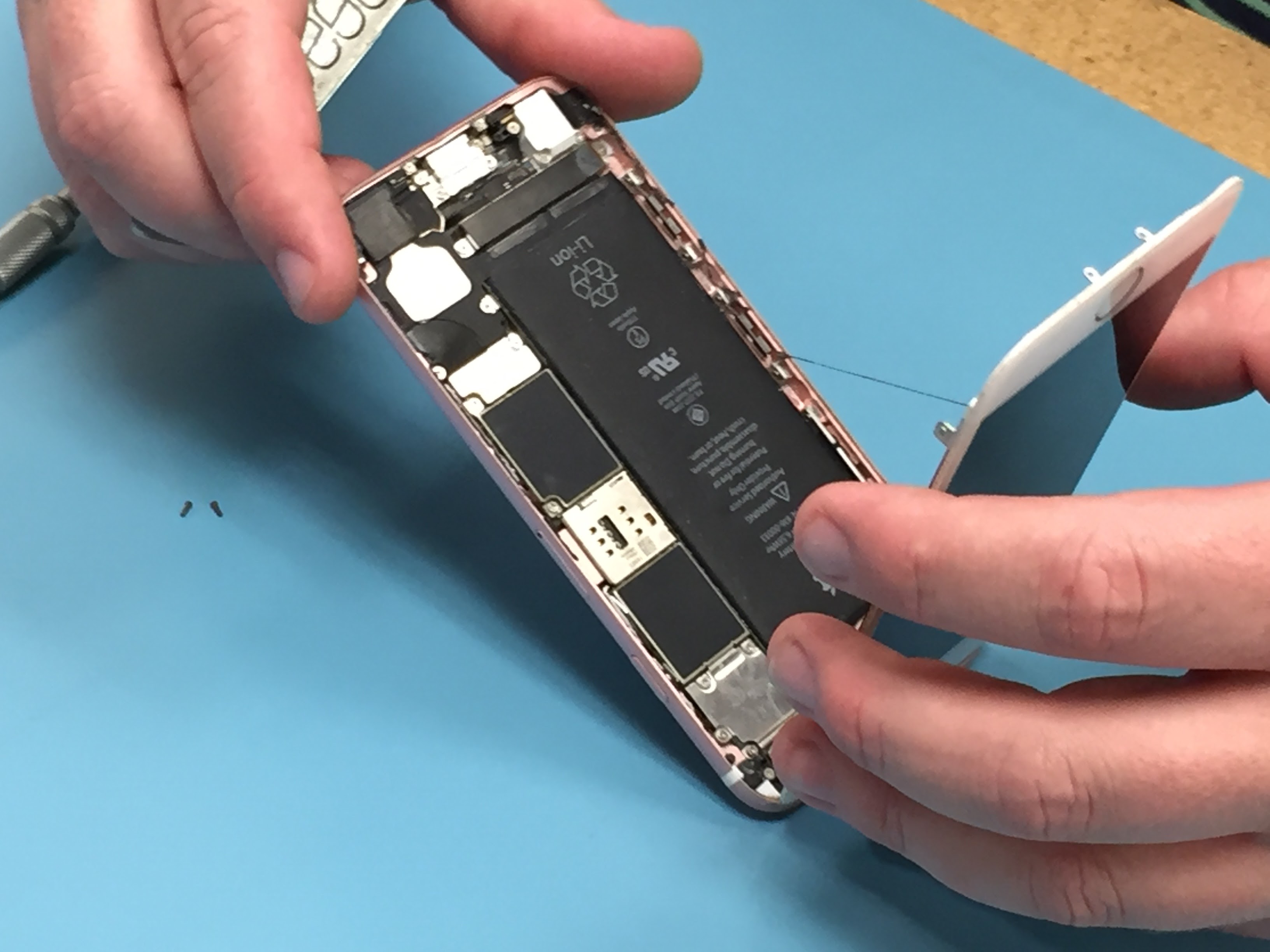
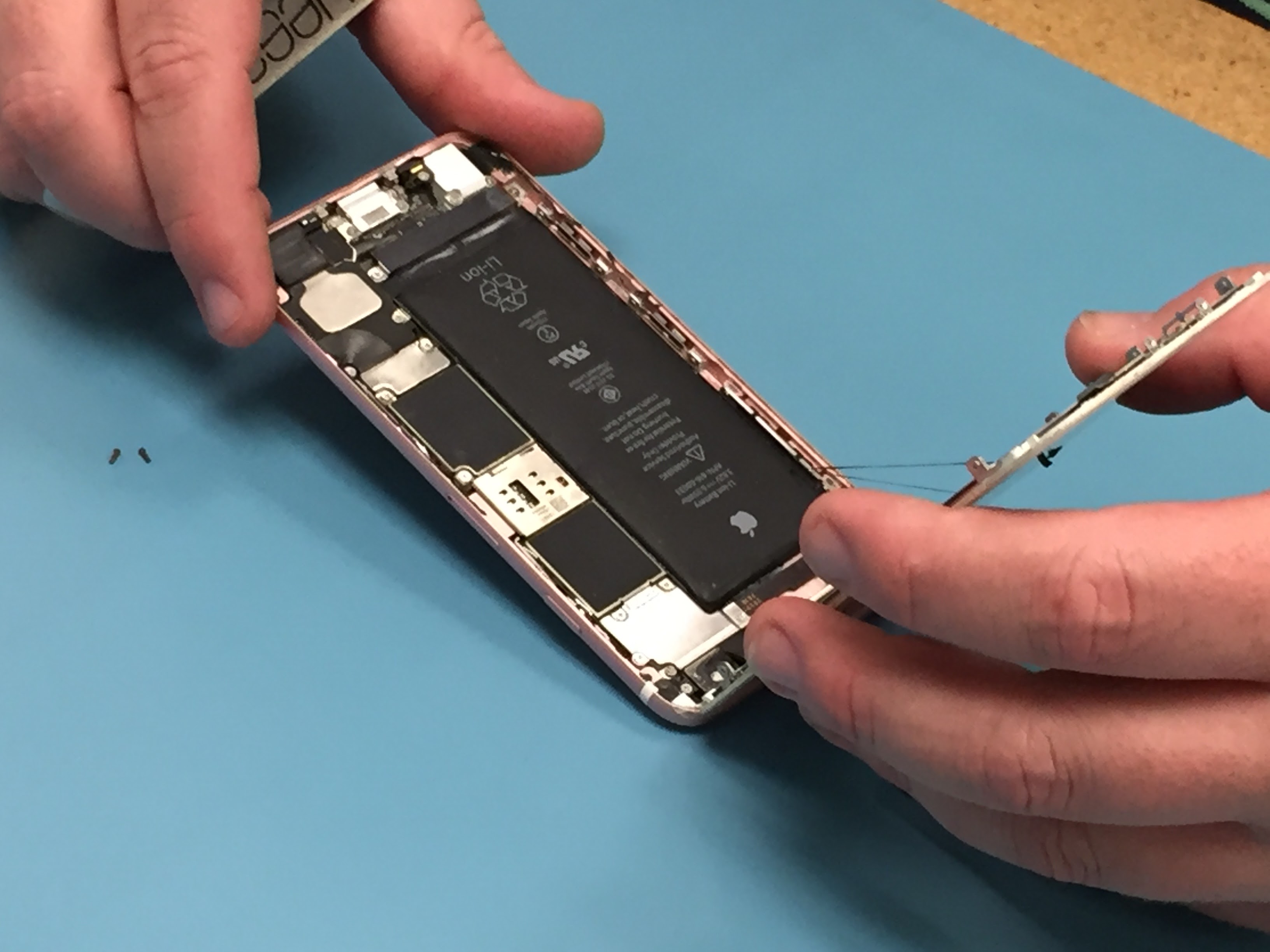
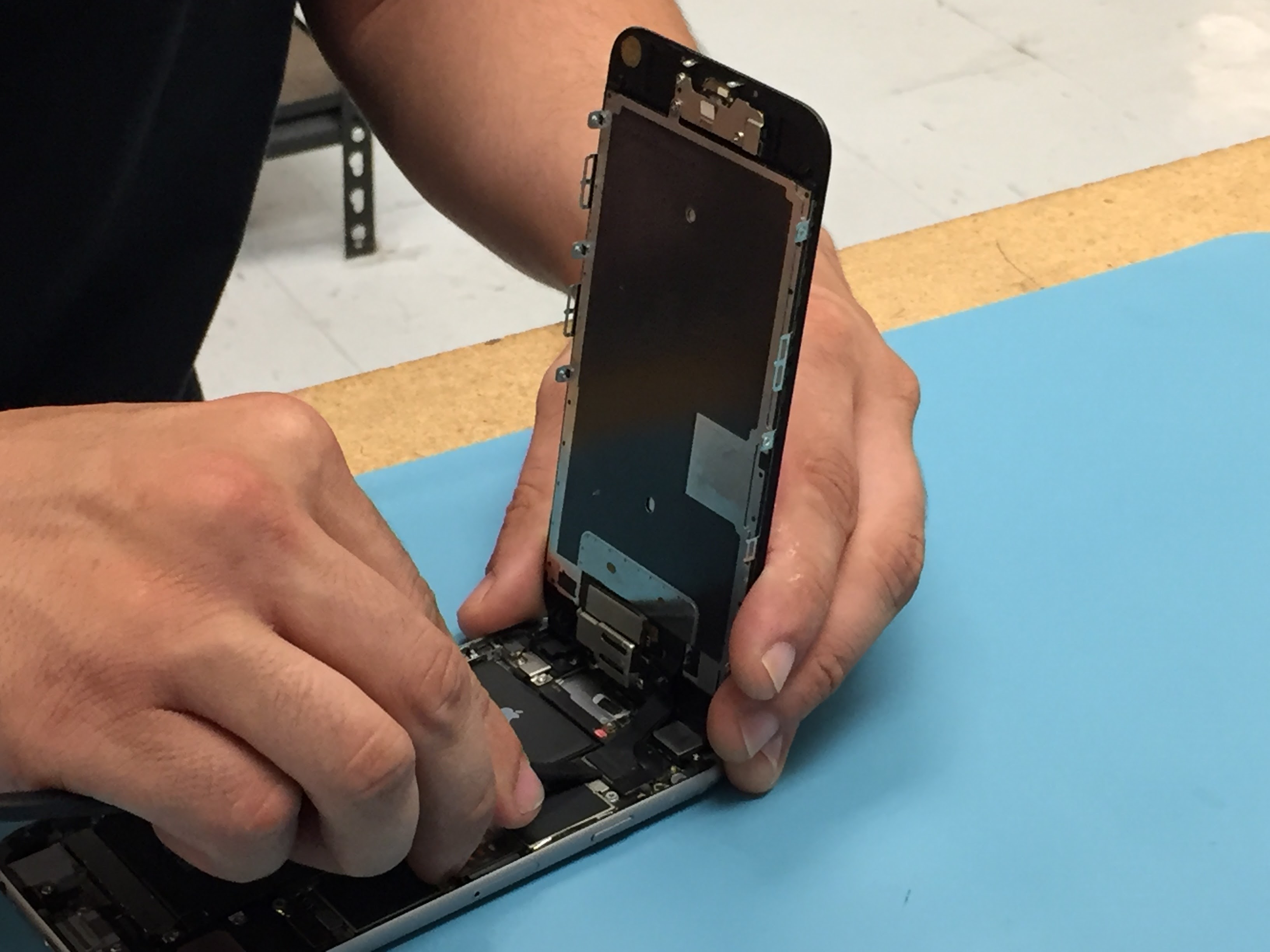
  3. The screen is connected to the body via a flex cable near the top of the phone, so open it carefully like a notepad.

Undo the Flex Cables

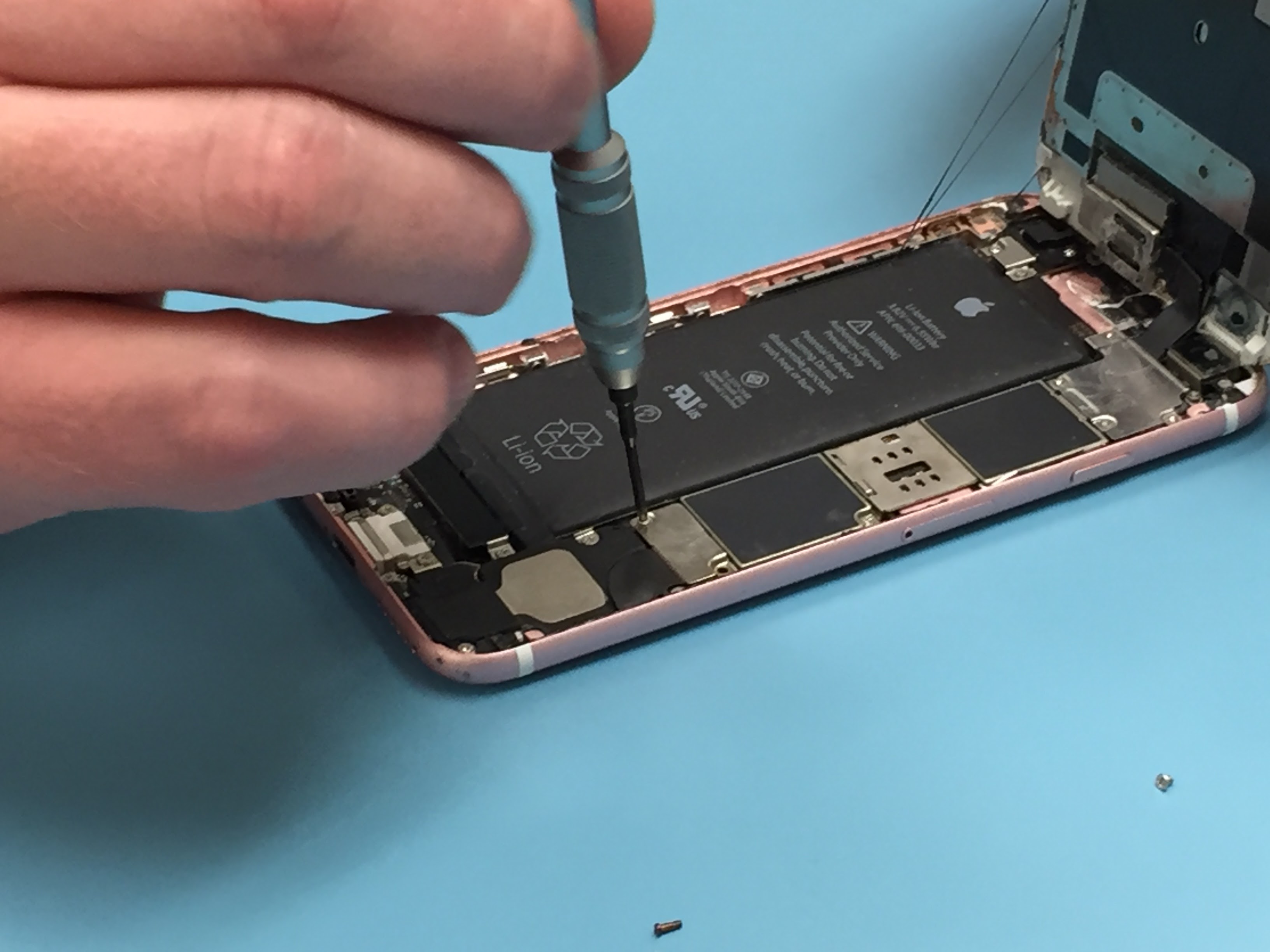
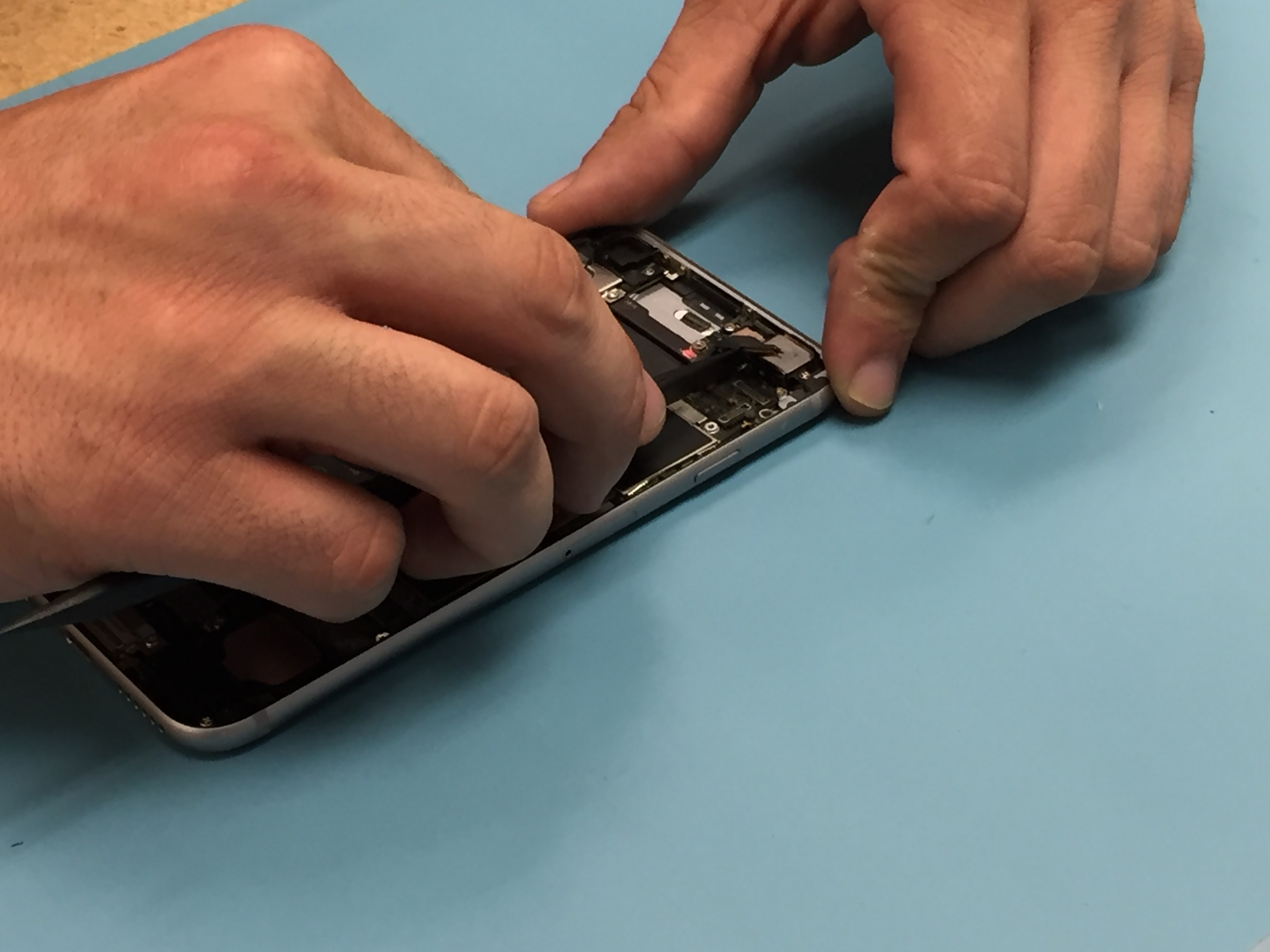
  1. Unscrew the silver rectangular shield near the bottom right of the battery. This shield covers the battery cable, which should be disconnected for practically every repair.
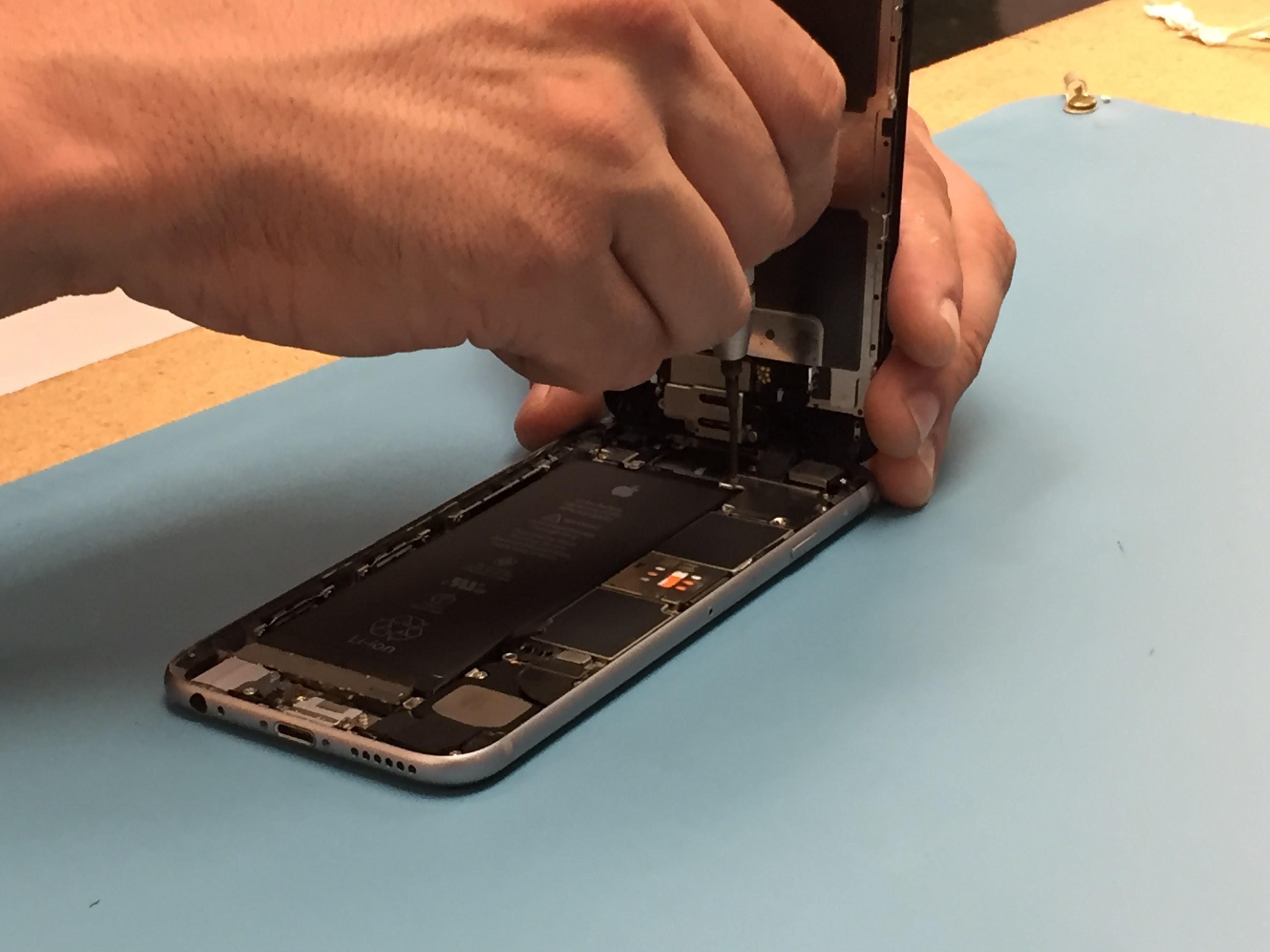
  2. Disconnect display cable flex using a plastic spudger. Plastic spudgers, rather than metal spudgers, should always be used for removing items on the inside of the phone.
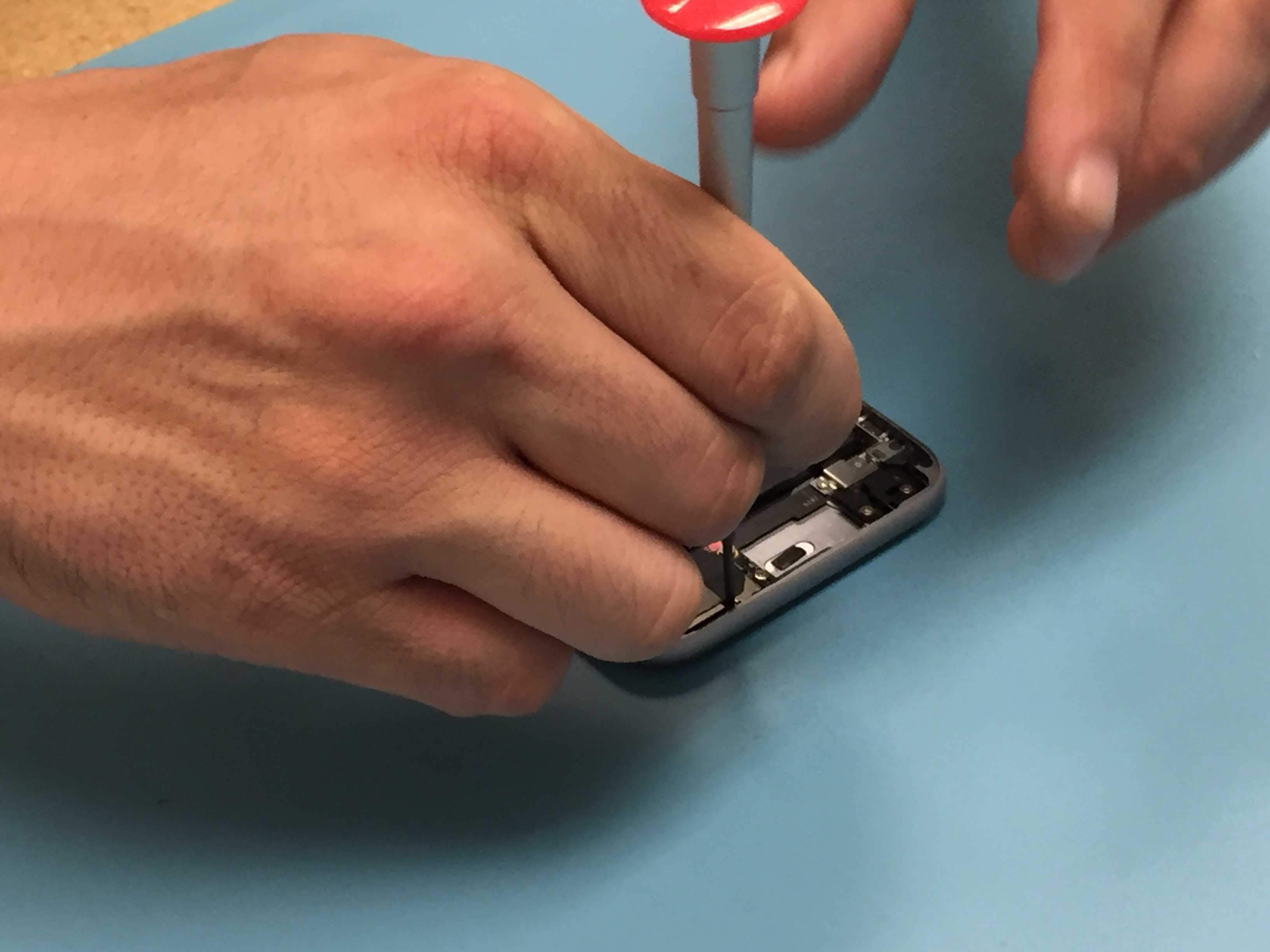
  3. Start removing the screen from the logic board. The screen’s flex cable connectors are held onto the logic board with a metal shield plate. This plate has 4 phillip screws that must be removed to be able to disconnect the flex cables from the logic board with a plastic spudger. Make sure you remove these screws and mark where they go. Incorrect placement will cause long screw damage to the logic board.

Remove the Camera

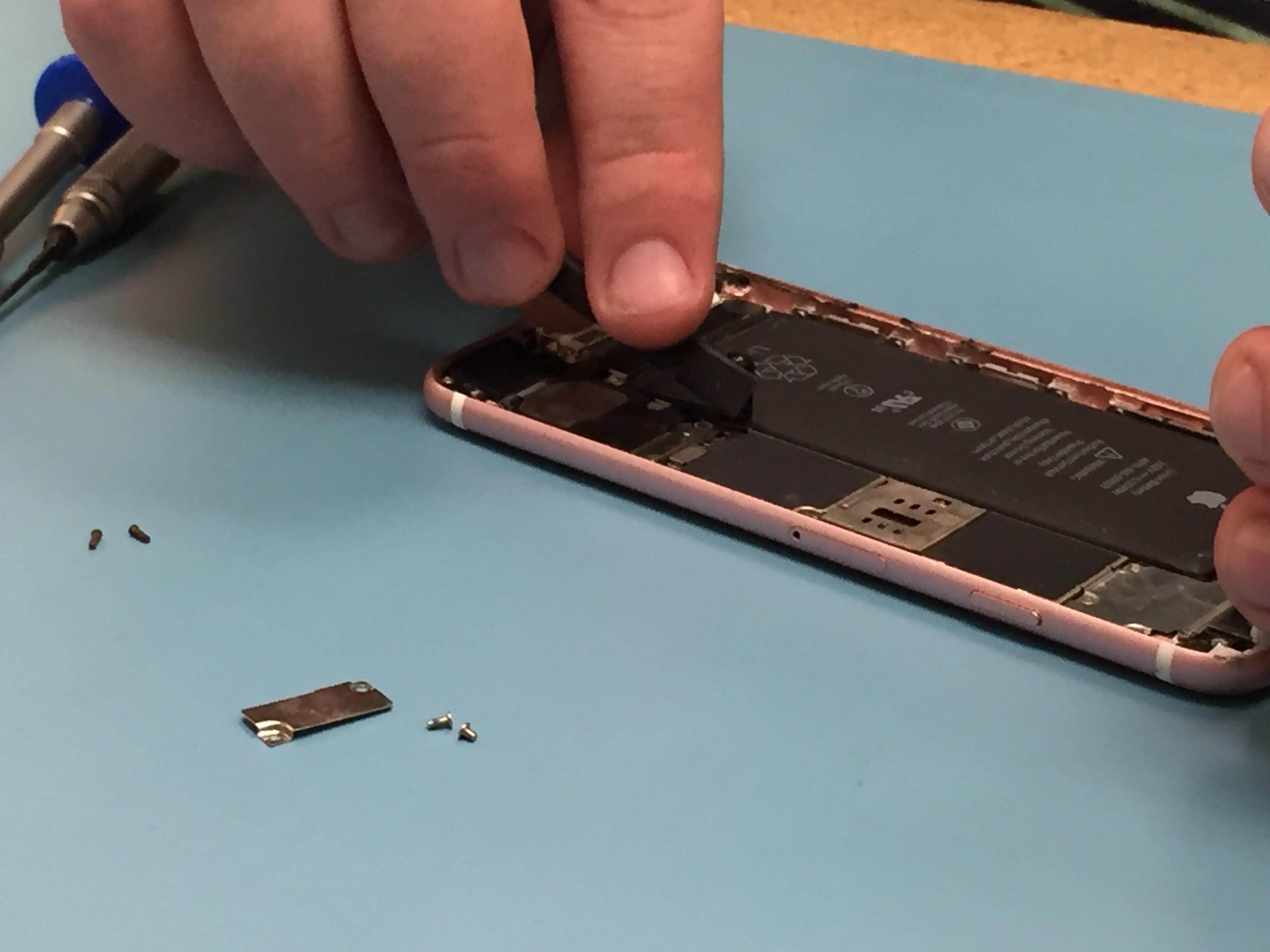
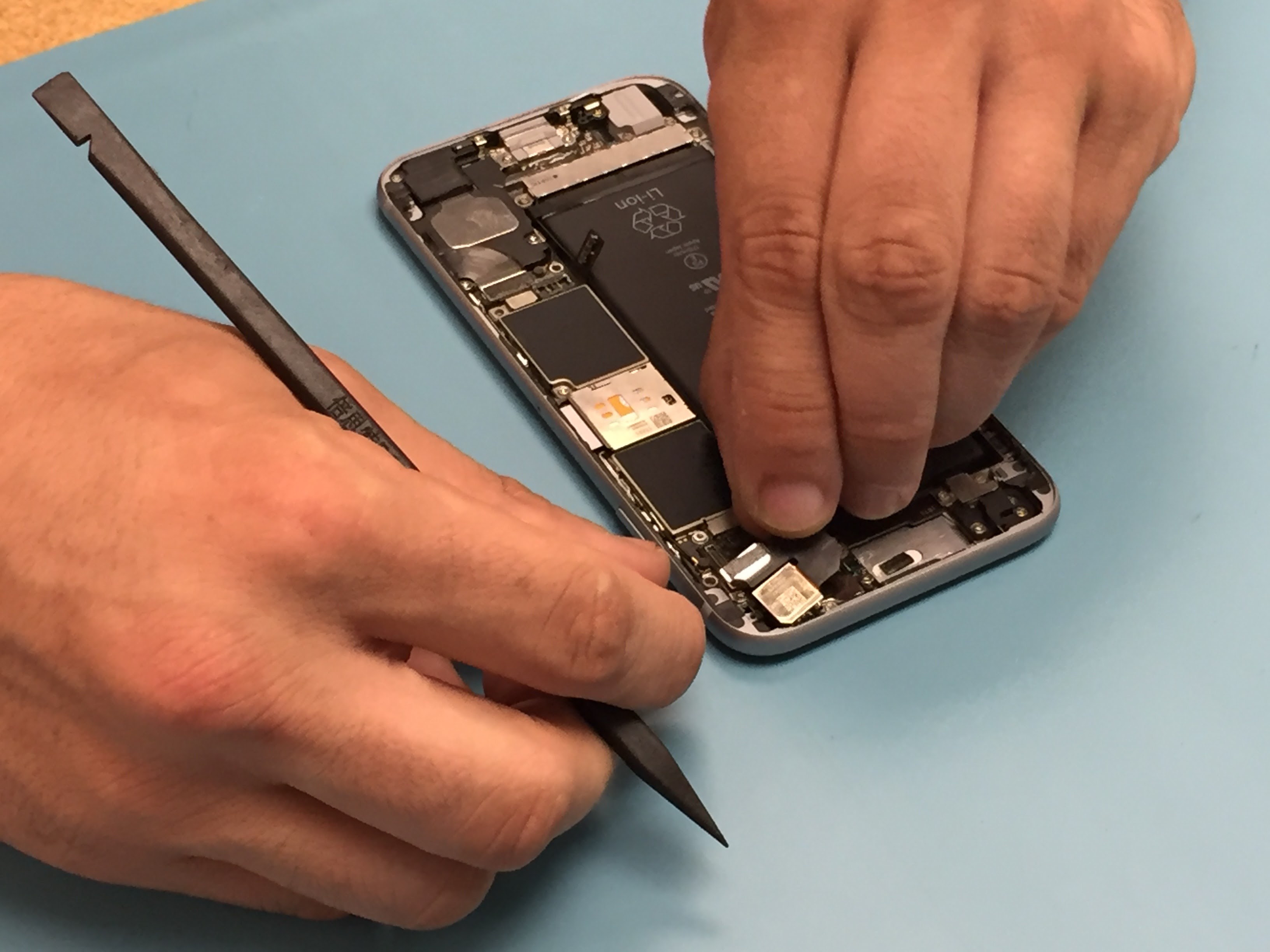
  1. Disconnect the rear camera flex just below the rear camera component in the top right of the phone with your plastic spudger.
  2. Remove the two Philips head screws connecting the rear camera bracket to the base of the phone. The screw more towards the center of the phone is hidden under a piece of black adhesive that you will have to pry up first.
  3. Pry the rear camera out using your plastic spudger.

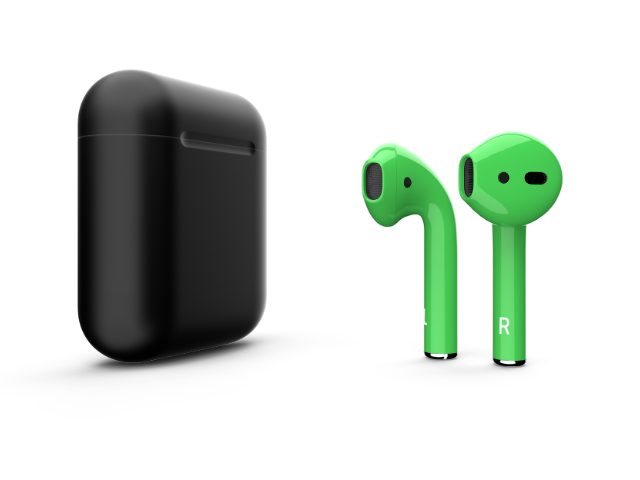
It didn’t take long after the Apple AirPods (delayed) release for consumers to already find gripes. The most petty of those complained, “Why are they only in white!? Why not jet black or rose gold or space grey! We want options!” Apple has done what they do best: ignored them. One hand, they’re totally right in doing so. On the other, what’s wrong with wanting your tech to match your own personal aesthetic? The little white buds in your ears are intended to be just as iconic as the old earbuds were in iPod advertising, so it’s doubtful that Apple will provide a rainbow of options. But if we learned anything from high school economics class, where there is demand, there is supply. So who’s got the plasti-dip?


Apple products are notoriously difficult to paint. Whatever proprietary glossy plastic the company uses is totally vandal-proof, which is normally a good thing…unless you actually want to mark your products somehow. The toughest, most durable paints are no match for the shiny white plastic that comprises most Apple tech. Even this writer attempted to put a dot on one Apple earbud to know, at a glance, right from left. The industrial-strength paint marker rubbed off inside of 48 hours. This unreal level of stain-resistance is problematic for those with an individual flair who like to color-mod their own devices. That’s where the professionals come in.

Shortly after the AirPods release, a Brooklyn-based “team of skilled artisans” snatched up a snappy URL and began offering BlackPods. These are presumably black-painted AirPods, although it’s hard to glean details when their website only offers low-res renders of the product. They appear to be a matte finish, and that’s your only option; if the company can do other colors, they’re not offering them at this time. The price? $249 (about a $90 premium over the original) or $99 if you send them your own pair.

Black not your color? The good folks at ColorWare will send you AirPods in one of 58 colors, and you can choose between matte or gloss finish. They’ll even do each earbud and the case all in different colors, if you so choose. At $339 ($140 and $40 extra for a painted charger/case, on top of the $159 cost) so at that point, you should just forgo black-on-black and go with someone that expresses your individuality a bit more. We’re currently trying to convince our CEO to buy these slick AirPods in iFixYouri colors for everyone in the office…

…and maybe a matte-green iMac for each desk. Got to represent the team colors, you know?

Yes, ColorWare does expert paint jobs for all kinds of consumer tech devices. They have a long history (it’s a family-owned business dating back to 2000) and, more importantly, a beautiful website. It’s easy to burn up your lunch break playing with the visualizer and drooling over color combinations for your future disposable-income purchases.

iPhone 6s Durability Test in Real World Situations

The iPhone 6s has been impressing fans with its surprising toughness and durability. We decided to give it a true test with a series of real world accidents and see how it held up.

iPhone 6s Waterproof Testing

Our first test was to submerge the iPhone 6s in water, simulating a common kitchen or bathroom accident. The device was knocked into a sudsy sink while in the on position, spent about 10 seconds underwater, and was also stirred about underwater.  After the brief swim, the iPhone 6s still powered up and the screen and lcd worked fine. There was an issue with the headphone jack, one of the few entry points for water on the iPhone 6s, but this problem disappeared after the phone dried after a few days.

Visit this link for an extended look at our iPhone 6s Waterproof Testing

iPhone 6s Durability Test #1

Phone Left on Car Trunk

The second real world durability test of our iPhone 6s involved leaving the device on the trunk of a car (a Tesla p85d to be specific) and driving off. The phone quickly fell to the concrete street with a solid cracking sound, but no visible damage occurred to the glass or the back cover. Of course, it is highly possible there would have been more damage if the phone had hit the street at a different angle. So we kept going…

iPhone 6s Durability Test #2

Phone Left on Car Roof

Hopefully you’ve never left your iPhone on the roof of your car. Typically this is a high enough height to crack the glass on most phones, at any angle of impact. The roof of the Tesla is relatively curved and aerodynamic, so in our test the phone slid off the side of the car. The impact was naturally more forceful than the trunk test, due to the higher initial height. The iPhone suffered some cosmetic damage, basically just a scratch on the corner of impact. The glass was still fine and the device functioned properly. Enough of the child’s play…

iPhone 6s vs Tesla

Finally we decided to run the iPhone 6s over with the Tesla. Why not demonstrate a worst case scenario right? The Tesla, at over 4000 lbs and over 400 horsepower, trampled our poor iPhone 6s with a considerable amount of force. The tire traveled directly over the phone, causing that distinctive crunch sound which immediately let us know the glass was history. Other cosmetic damage included a smashed rear camera (which takes out of focus photos) and non-functioning front camera, and a deeply scarred back cover. The phone still had power, lcd and touch screen functionality.

Conclusion

After all of our durability tests, and some time to dry out internally, the iPhone 6s was able to charge back up and power on. All of our diagnostic tests were passed, except for usage of the front and rear cameras. Obviously using a phone with a cracked screen puts your fingers and hands at risk for cuts, so we suggest a glass replacement. Also note: we do not recommend charging a phone after water damage; it should be taken to water damage repair experts to prevent corrosion damage to internal components.

Our series of everyday scenario tests showed Apple’s iPhone 6s to be a rugged, water resistant (not necessarily waterproof) phone, probably one of the toughest we’ve seen yet.