
This post is part of our iPod Repair Series. Check these other links:
- Can a Water-Damaged iPod Be Saved?
- Why Your iPod Click Wheel Isn’t Working
- Why Your iPod Won’t Turn On: Common Causes and What You Can Do
- Signs Your iPod Battery Needs Replacement
- Can an iPod Be Repaired? Everything You Need to Know
- Is Your iPod Worth Repairing?
Many people still enjoy using their classic iPods for music, podcasts, or collecting vintage Apple devices. However, every rechargeable battery eventually wears out. If you’ve noticed shorter listening times or unexpected shutdowns, it may be time to consider an iPod battery replacement.
Fortunately, battery problems are among the most repairable issues affecting older iPods. Recognizing the warning signs early can prevent additional problems and help you continue enjoying your favorite device for years to come.
Why Do iPod Batteries Wear Out?
Every iPod uses a rechargeable lithium-ion battery. While these batteries offer excellent performance, they naturally lose capacity as they age.
Over time, chemical changes inside the battery reduce its ability to store energy. Even an iPod that has spent years in a drawer continues to experience battery aging.
Most lithium-ion batteries maintain good performance for several hundred charge cycles before noticeable capacity loss occurs. According to Apple, rechargeable batteries gradually lose their ability to hold a full charge as they age and cycle through use.
For example, an iPod Classic purchased more than a decade ago may still function perfectly except for its battery.
What Are the Most Common Signs Your iPod Battery Needs Replacement?
Your iPod Won’t Hold a Charge
One of the clearest indicators is dramatically shorter battery life.
You may fully charge your iPod overnight only to find it nearly empty after a short listening session.
Common symptoms include:
- Battery drains within hours
- Music playback ends much sooner than before
- Battery percentage drops quickly
- Frequent charging becomes necessary
If charging habits haven’t changed, the battery is likely reaching the end of its useful life.
Does Your iPod Shut Off Unexpectedly?
Unexpected shutdowns often point to a battery that can no longer provide stable voltage.
Your iPod may:
- Turn off with battery remaining
- Restart unexpectedly
- Shut down during song playback
- Power off when adjusting volume or navigating menus
For instance, an iPod displaying 40% battery before suddenly powering down usually indicates battery degradation rather than software problems.
Does It Only Work While Plugged In?
If your iPod functions normally while connected to a charger but immediately shuts off when unplugged, the battery may no longer store usable energy.
This happens because external power bypasses the failing battery.
Although charging appears normal, the battery itself cannot sustain the device.
Is Your iPod Battery Draining Faster Than It Used To?
Battery life naturally decreases over many years.
You may notice:
- Daily charging becomes necessary
- Long playlists no longer finish
- Podcasts stop midway through listening
- Battery drains while the iPod sits unused
The U.S. Department of Energy notes that lithium-ion batteries gradually lose capacity over time because of both age and repeated charging cycles.
A collector who occasionally uses an iPod Classic might discover that a fully charged device loses most of its power after sitting unused for several days.
Is the Battery Causing Physical Problems?
Sometimes battery failure becomes visible.
Watch for These Warning Signs
- Swollen housing
- Screen lifting
- Buttons becoming difficult to press
- Case separating slightly
- Excessive heat while charging
A swollen lithium-ion battery should be replaced promptly. Continuing to use the device may cause additional internal damage.
If you notice physical swelling, stop charging the iPod until it has been inspected.
Can Battery Problems Look Like Other Issues?
Yes.
Several symptoms overlap with charging or storage problems.
Before assuming the battery has failed, check:
- Try a different charging cable.
- Test another USB power adapter.
- Clean the charging connector.
- Perform a restart.
- Allow the device to charge uninterrupted for at least an hour.
If the symptoms remain, professional battery testing can determine whether replacement is necessary.
Is Replacing an iPod Battery Worth It?
In many cases, absolutely.
Many older iPods have become collectible, and several models still provide an outstanding offline music experience.
Replacing the battery can:
- Restore portability
- Extend listening time
- Improve reliability
- Preserve a favorite device
- Avoid replacing an entire music library setup
For example, someone who has maintained a carefully organized iTunes library may find that battery replacement is far more practical than switching to a completely different device.
Should You Replace the Battery Yourself?
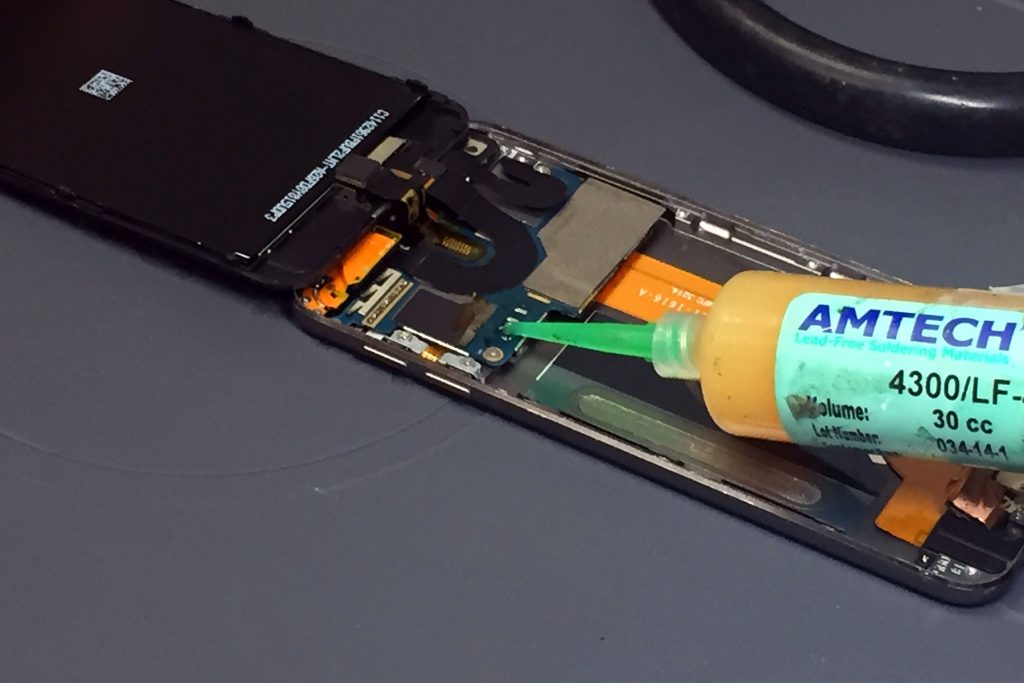
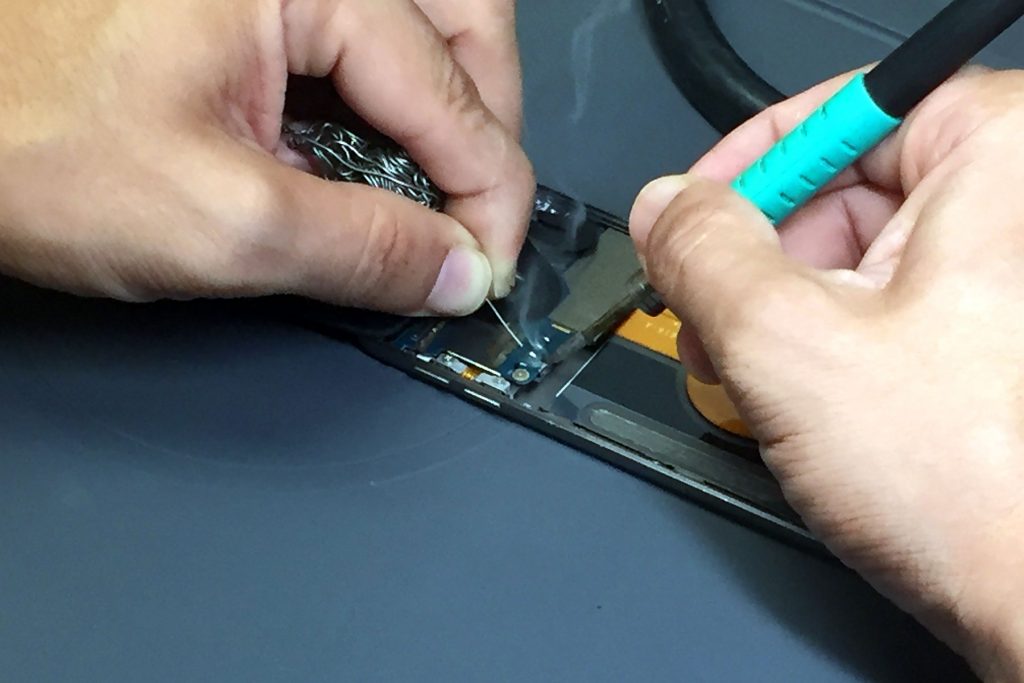
DIY repair kits are available, but older iPods require careful disassembly.
Many models contain:
- Delicate ribbon cables
- Fragile display assemblies
- Small internal connectors
- Adhesives requiring careful removal
Accidentally damaging one component can turn a simple battery replacement into a much larger repair.
Professional technicians have the proper tools and experience to safely replace batteries while minimizing the risk of additional damage.
When Should You Seek Professional iPod Battery Replacement?
Professional repair makes sense when:
- The battery drains unusually fast.
- The iPod shuts off unexpectedly.
- The battery has swollen.
- The device no longer powers on without a charger.
- You own a collectible or sentimental iPod.
- You want the repair completed without risking internal damage.
Experienced technicians at iFixYouri can also inspect the charging port, hard drive, click wheel, and other internal components while replacing the battery. At iFixYouri, multiple repairs performed at the same time can lead to a discounted repair rate.
Keep Your Favorite iPod Playing Longer
A weak battery doesn’t necessarily mean your iPod has reached the end of its life. In many cases, replacing the battery restores much of the device’s original usability and allows you to continue enjoying your music collection.
If you’ve noticed shorter battery life, unexpected shutdowns, or charging problems, addressing the issue early often prevents additional wear and helps preserve your iPod for years to come.
Frequently Asked Questions
How long does an iPod battery typically last?
Most lithium-ion batteries gradually lose capacity after several hundred charge cycles. For many older iPods, age is now a bigger factor than usage.
Can an old iPod battery be replaced?
Yes. Many iPod models, including the iPod Classic, iPod Video, iPod Mini, and several iPod Nano generations, can receive professional battery replacement.
Why does my iPod die even though it shows battery remaining?
A degraded battery may report an inaccurate charge level and suddenly lose voltage, causing unexpected shutdowns.
Is a swollen iPod battery dangerous?
Yes. A swollen lithium-ion battery should be replaced promptly, and the device should not continue charging until inspected.
Will replacing the battery make my iPod like new?
Battery replacement restores battery performance but will not repair unrelated issues such as damaged storage, screens, or charging ports.
Is professional battery replacement better than DIY?
For many iPod models, professional repair reduces the risk of damaging delicate internal components during disassembly.
Experience & Expertise
Since 2010, iFixYouri Smart Device Repair has specialized in restoring electronics that many people thought were beyond repair. Our technicians have extensive experience working on a wide range of iPod models, including classic devices that require specialized tools and careful handling.
Every battery replacement is performed with attention to detail, thorough testing, and a commitment to quality workmanship. Whether you’re preserving a cherished music player or bringing a collectible iPod back to life, you can trust iFixYouri to deliver reliable, professional repairs backed by years of hands-on experience.
Sources
Apple Lithium-ion Batteries
(https://www.apple.com/batteries/)
Battery University – How to Prolong Lithium-Based Batteries
(https://batteryuniversity.com/article/bu-808-how-to-prolong-lithium-based-batteries)