Android O Developer Preview: What’s New and What’s Cool

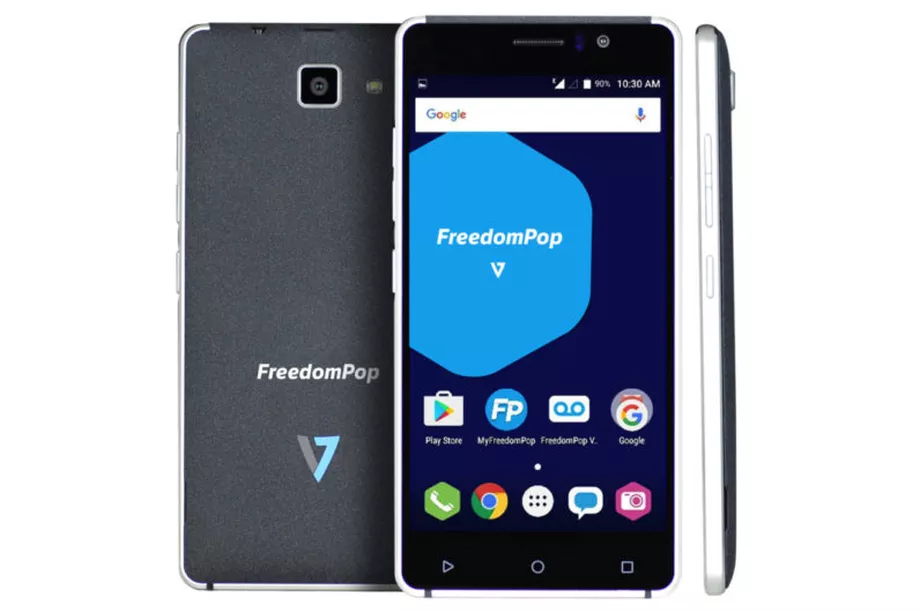
Google announced the Android O developer preview this week, and it’s looking to be a huge update with a lot of interesting changes. Here’s a list of iFixYouri’s favorite new features so far. Mind you, these are just capabilities for app developers to tool around with; no guarantees that everyone will use these in their applications.


Android O places more automatic background limits on implicit broadcasts, background services, and location updates, something Nougat worked towards. The end result: apps will have a minimal impact on user’s battery life and the device performance.


Sony jumped in to help with audio, bringing that company’s legendary sound quality to Android. The new AAudio API should be great for apps that require high-performance audio, and the ConnectionService API will get an update. The latter will allow calls from third-party apps (WhatsApp, for example) to work with Bluetooth devices like home stereos and cars.


Google wants to make apps more “glanceable,” so they’re making notifications be better grouped. Developers will be able to customize the background color of these notifications, as well, but, Google advises that color changes should only be for “ongoing tasks which are critical for a user to see at a glance.” There’s also be app-defined categories for notifications. For example, the Facebook app could group notifications under various sections, like events or friend requests. Creating these notification channels will give you control over which alerts you receive, along with the ability to quickly turn off specific categories. Users can also “snooze” notifications so they’ll reappear later.


The status bar icons at the top of the quick settings panel will get some tweaks. When the panel is fully opened, and there are notifications not visible, their app icons will be listed in a little bar at the bottom of the display. A little odd to visualize, but it should be helpful when managing several notification groups at once.


No longer exclusive to Android TV, Picture-in-Picture is now available on Android phones and tablets. Building on multi-window mode in Nougat, there’s a new app overlay window and multi-display support for launching an activity on a remote display. We predict you’ll need a lot of RAM for this, but newer hardware should handle it.


Android O now allows developers to create adaptive icons with different shapes that the system will automatically display based on a mask selected by the device. It’ll be interesting to see what each developer has their icons do, and under what circumstances they do move.


Similar to how Android supports third-party keyboards, users can now choose a default password manager app.


Accessibility service can respond to directional swipes (up, down, left, and right) from a device’s fingerprint sensor. This is neat; you can assign, say, the flashlight to turn on, or the phone to go into silent mode.


The Ambient Display has been redesigned. It’s no longer just a black-and-white version of the regular lockscreen. Namely, only icons, and not full notifications, are displayed underneath the clock in this mode. When the Ambient Display is active, just double-tap to wake. Double tapping the icons will takes users directly to the notification shade.


Now we play the waiting game on the most important feature: the name. Android Oreo? Orange Cake? Oatmeal Cookie? We’re getting hungry just thinking about it.

Apple’s New, Upgraded iPad Barely New, Barely Upgraded

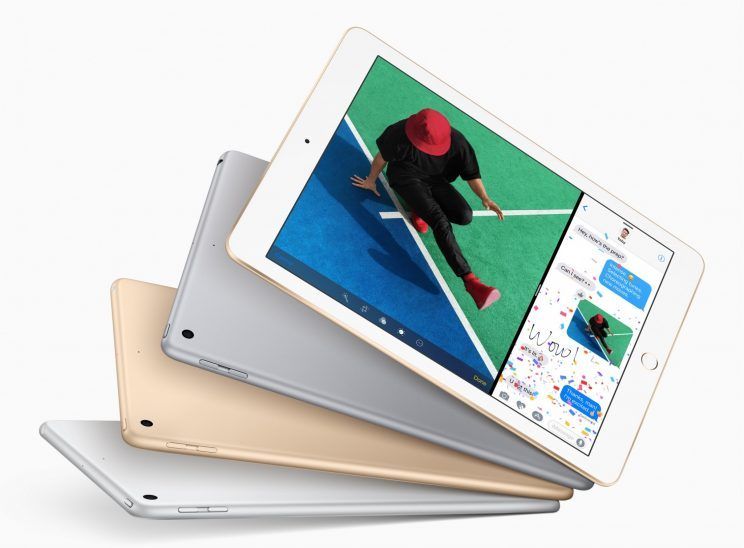
We got so excited about the new red iPhone 7 this week, we almost forgot about the other product announcements from Apple. In a quiet press release (no “one more thing”!) the tech giant debuted…the iPad. Perhaps intended as a replacement for the iPad Air 2, the (new) iPad is officially the fifth-generation iPad, marking the Air and Pro lines as offshoots from the official main line. If this is the case, it’s odd that the end result is essentially a cross between the Air 2, the original Air, and the 9.7” Pro while not really being any of those.


As part of their announcement, Apple announced that they would not be updating any of the current iPad lines besides the two-year-old Air 2. The 9.7-inch iPad will include an Apple A9 chip, which is an improvement over the A8X in the two-year-old Air 2 but not as powerful as the Pro’s A9X. It’s a little thicker and a little heavier than the Pro and Air 2 (which have the exact same dimensions), being a little more than a millimeter thicker and ever so slightly heavier. The screen takes a major downgrade even from the comparatively ancient iPad Air 2. The LCD which is no longer laminated to the front glass like in the Pro, Air 2, and Mini 4. Our repair technicians are jumping for joy (much easier to repair and replace) but that tiny gap between the LCD and glass will hurt brightness and contrast. There’s also no anti-glare coating.


The cameras are borrowed from the Air 2: you get an 8MP flashless rear shooter and a 1.2 FaceTime camera on the front, whereas the Pro has 15MP and 5MP respectively. We mentioned the processing cheap being a bit of a downgrade from the Pro but you get the same 2GB of RAM; presumably, Apple doesn’t want consumers to miss out on the multitasking features introduced in iOS 9 or suffer any slowdown. Of course, you get TouchID and a headphone jack, but that’s about it. You won’t have a lot of the desirable features of the Pro, such as the gorgeous True Tone display and DCI-P3 color gamut support, or support for productivity accessories like the Apple Pencil or Smart Keyboard. So why would anyone buy such a Frankenstein’s monster of a device, about as confused with its identity as we are with its function? The price. In a surprise move, this 5th-generation iPad will be…a budget iPad.


As per usual, the new iPad will be available in Wi-Fi-only and cellular, and in two different memory sizes. 32GB models cost $329 for Wi-Fi and $459 for cellular, and 128GB models are $429 and $559 respectively. Rose gold is missing from the lineup (boo!) but the usual space grey, silver, and gold colors will be offered. The 9.7” and 12.9” iPad Pros are still being sold for the same prices and capacities as before.


Us here at iFixYouri are a little confused as to what exactly Apple’s plan is here. We get that they want to bring the iPad line back into focus and are seemingly debuting this as their next tablet flagship, but what of the iPad Pro? Was that not the flagship, Tim Cook’s darling? Offering a cheaper gateway into the line is smart but not really part of Apple’s credo. The iFixYouri technicians are happy, though: non-laminated screens means faster (and potentially cheaper!) repairs for our customers.
Employee Spotlight – Brian

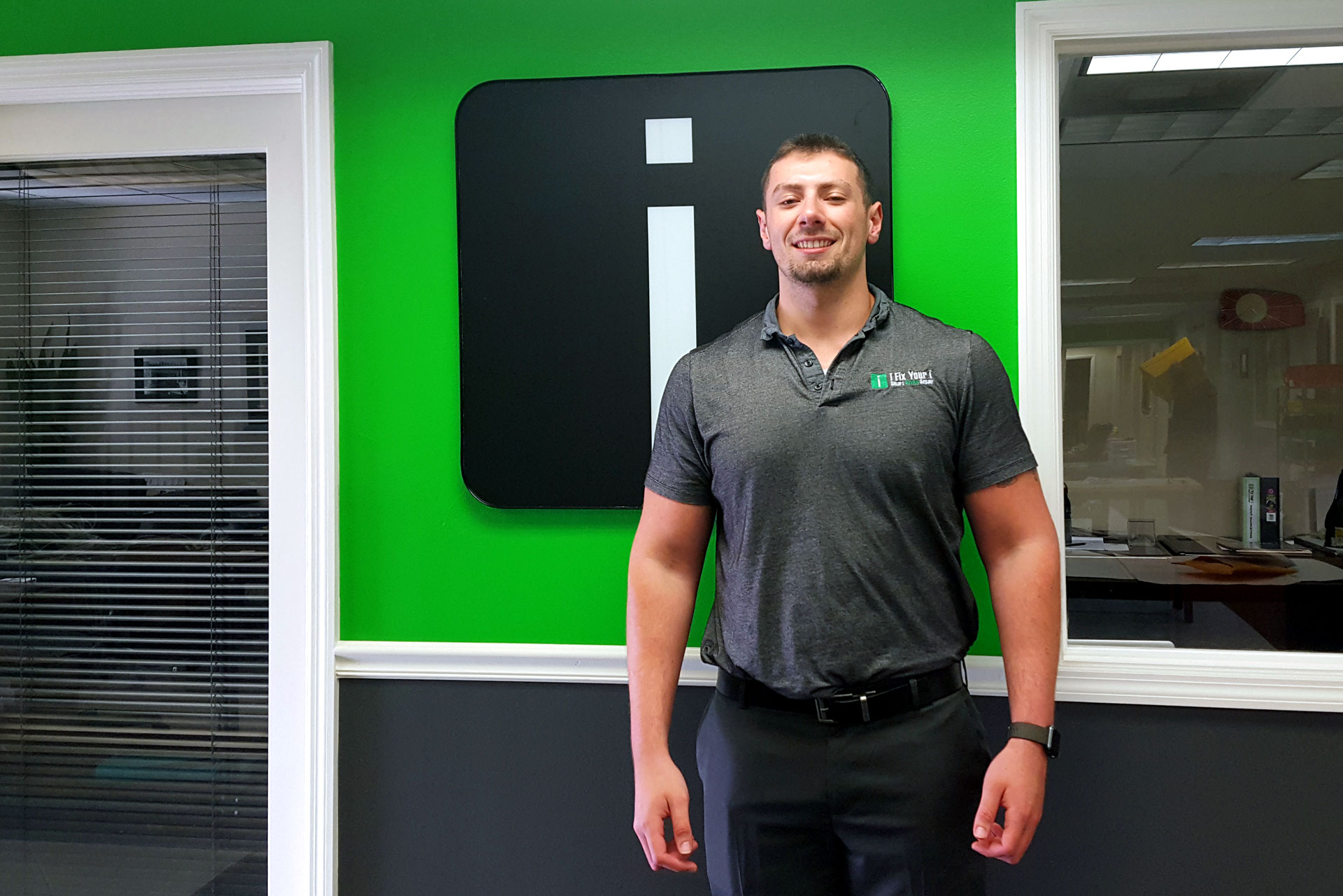
This week in employee spotlight is iFixYouri’s favorite bouncer-turned-repair tech Brian! You can find Brian repairing devices and providing excellent customer service at a number of our Palm Beach County locations. Brian comes to us here in sunny South Florida by way of Baldwin, New York, and brought with him his love for the Yankees, Islanders, and Giants. Transferring from Hofstra University to Florida Atlantic University, Brian says, “I’m smarter than I look,” and proves it as he studies forensic accounting. We know a secret, however: that wasn’t his first dream. “I play the trumpet,” according to Brian, “I was originally a music major before an accounting major.” Realizing that the end result of that path was a career in teaching (not his calling), he followed his other loves of accounting and law, and sees himself as a senior manager at an accounting firm in the future. When he’s not repairing your devices or doing homework, Brian enjoys bowling (once rolled a 299) and “picking stuff up and putting it down” (aka “working out”). We hope you enjoyed this week’s peek into the life of Brian!

(PRODUCT) RED + iPhone = Drool-Worthy 7 and 7+

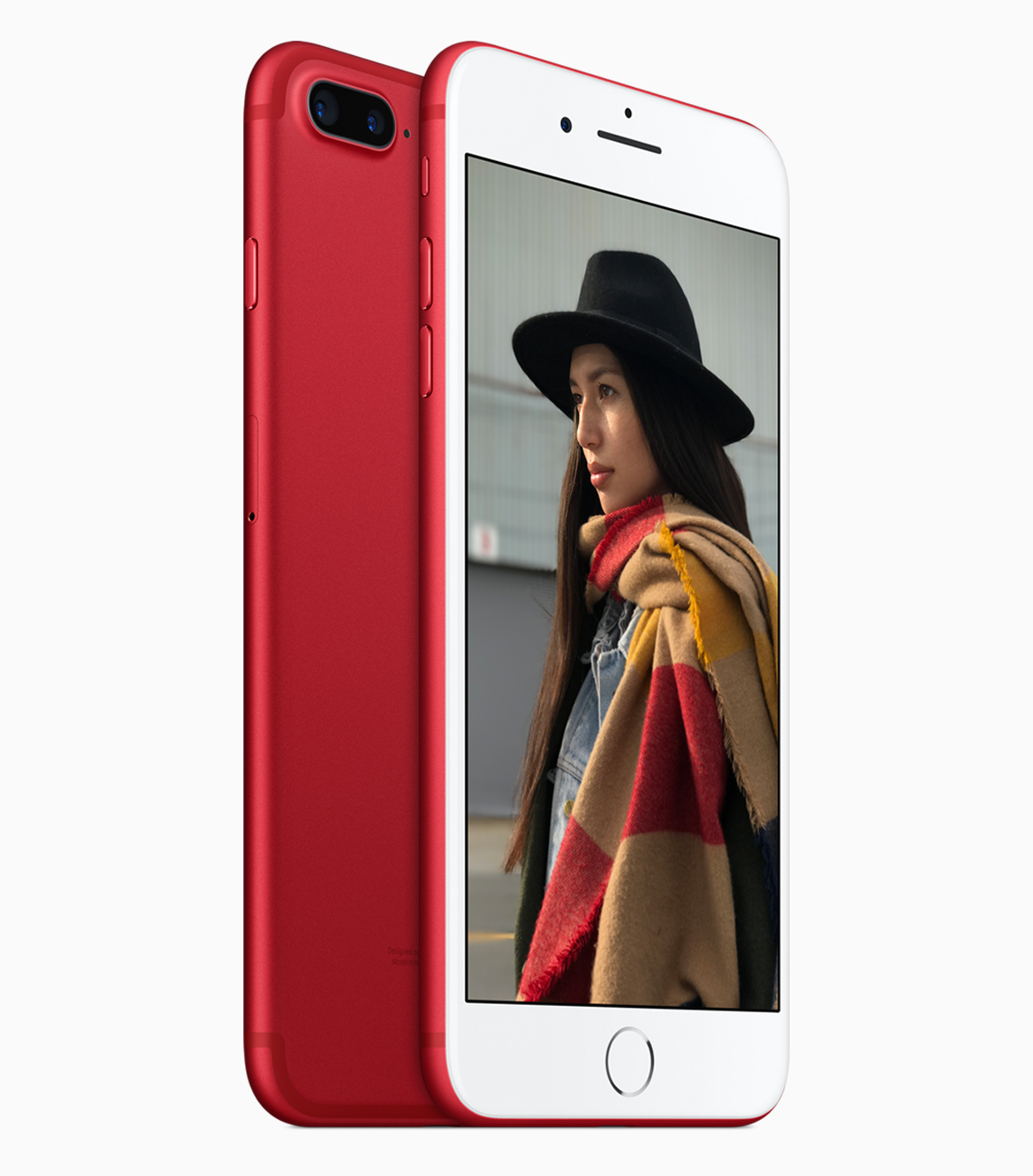
We’ve talked before about color-customizing your tech, making your day-to-day smart devices help you stick out from the crowd. Now you can do it without breaking the bank, thanks to Apple and (RED). For the past 10 years, Apple’s partnership with (RED) has raised over a hundred million dollars to highlight the AIDS fundraising campaign, primarily through the sale of products and apps designed around a red color scheme. On World AIDS Day back in November, Apple turned its App Store and several top apps bright red in support. This year, they’re doing something special: iPhone 7 and 7+ in a bright, aluminum red. In the past, Apple has offered special red cases for the iPhone previously, but this is the first time the phone itself will be offered in a red finish. It’s been a long time coming, too: most people associate the partnership with red-colored devices, starting with the iPod Nano and continuing down the MP3-player line, including the Shuffle and, most recently, Touch.


“Apple is the world’s largest corporate donor to the Global Fund, contributing more than $130 million as part of its partnership with (RED),” said Deborah Dugan, (RED)’s CEO. “Combining the global reach of the world’s most loved smartphone with our efforts to provide access to life-saving ARV medication in sub-Saharan Africa, customers now have a remarkable opportunity to make a difference and contribute to the Global Fund through the purchase of this new beautiful (PRODUCT)RED iPhone.”


It’s nice to see Apple getting a bit more colorful for a change. The company is usually loath to offer alternate color options. Everyone was shocked (and pleasantly surprised) to see a rose-gold iPhone 6S, and the last color change to its iPhone lineup was warmly received even if it was just a different black finish (talking about, of course, the gorgeous glossy jet black for the iPhone 7). The new red finish is striking, softened by the matte aluminum finish, and although it’s “only” for a good cause, it is nice to see a relaxing of the strict black-or-white binary most consumers within the Apple ecosystem have been forced to choose from.


“Since we began working with (RED) 10 years ago, our customers have made a significant impact in fighting the spread of AIDS through the purchase of our products, from the original iPod Nano (PRODUCT)RED Special Edition all the way to today’s lineup of Beats products and accessories for iPhone, iPad and Apple Watch,” said Tim Cook, Apple’s CEO. “The introduction of this special edition iPhone in a gorgeous red finish is our biggest (PRODUCT)RED offering to date in celebration of our partnership with (RED), and we can’t wait to get it into customers’ hands.”


The (PRODUCT) RED finish will be available for the iPhone 7 and 7 Plus (including replacements through AppleCare) starting Friday, March 24th in 128GB and 256GB models, at the usual price starting at $749. The face of the phone will be white, so iFixYouri will be able to replace the screen at the regular price of non-red devices.

Humble Pi: Raspberry Pi Takes Third-Biggest Slice of Computer Market

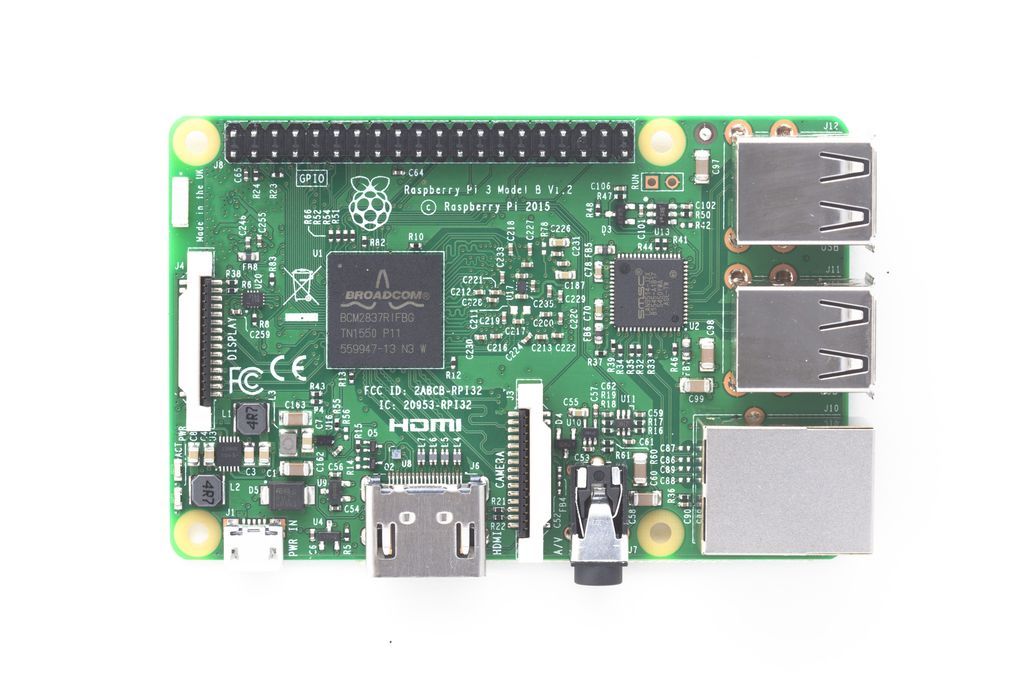
While we specialize in consumer-level technology at iFixYouri, we’re also a bunch of tinkerers. Several of our staff count “soldering” as both a skill and hobby and we actively encourage people to learn exactly how things work. As such, iFixYouri firmly endorses DIY computing, and the Raspberry Pi is a great place to start learning. As it turns out, we’re not the only ones who think so. MagPi, the official Raspberry Pi magazine, recently announced that over 12.5 million of the units have been sold since the original Pi was launched in 2012. This makes the affordable little Linux boards the third highest-selling general-purpose computer behind Apple and Microsoft Windows PCs. The former third-place spot? The humble Commodore 64, a computer discontinued in 1994.


The sales breakdown, made soon after Pi Day (3/14, after the mathematical constant pi), is presented as (what else) a pie chart.


The largest slices of the delicious, Unix-flavored pie represent recent models of the Pi, indicating that sales have been gaining steam with the newer, cheaper models. The founder and CEO of the Raspberry Pi Trust, Eben Upton, revealed that the Zero W sold about 100,000 in its first four days.


Third place might not sound too impressive but consider that the bronze model had been held by a computer that stopped being produced back when Bill Clinton was president. In the intervening two-decades-plus, no other computer had sold anything close to the numbers required to bump against the two monoliths that are Apple and Microsoft.


12.5 million is especially impressive seeing that it was originally supposed to be between 10,000 and 20,000 boards for schools. Designed from the get-go as a basic, affordable computer intended for use in classrooms, the first Raspberry Pi, which retailed for around $30, differed little from current models. Unlike what you currently think of as a “computer,” the Raspberry Pi arrives without a tower, CD drive, keyboard, mouse, or even a power switch. All you get is bare chipboard and a power cable, with connectors on the board for display, input, and data transfer. Other than that, you’re on your own. Using free open-source software and thousands of hours of YouTube tutorials, one can learn exactly how computers work, no matter their age or prior expertise. It’s a neat little thing that iFixYouri employees love using to design gizmos; you can power robots, create home-assistance programs, anything you want with enough patience. Newer models are even cheaper and more feature-packed. The recently released Zero W model has wi-fi capability, Bluetooth, and 1Ghz of RAM for just ten dollars.


For the small British manufacturer, outselling the Commodore 64 is bittersweet and a huge occasion, and it cements the Raspberry Pi in the annals of computer history. “We did it together,” said Upton, “and it’s kind of wonderful.”


If you’d like to jump on the bandwagon and learn the computing arts, we recommend buying a Raspberry Pi and start learning. There’s a large, warm and welcoming community of techies who love teaching new acolytes about the craft, including all of us at iFixYouri. If you live near one of our 15 locations, keep an eye out: we’ll be offering classes soon, taught by senior iFixYouri technicians, and covering a wide range of computing and technology topics. A class utilizing Raspberry Pi and other micro-computers will definitely be on the curriculum. And, of course, if you break something as part of your learning process, iFixYouri is here to fix it.

Smarthome Adoption Rates Nowhere near Expectations, Study Shows

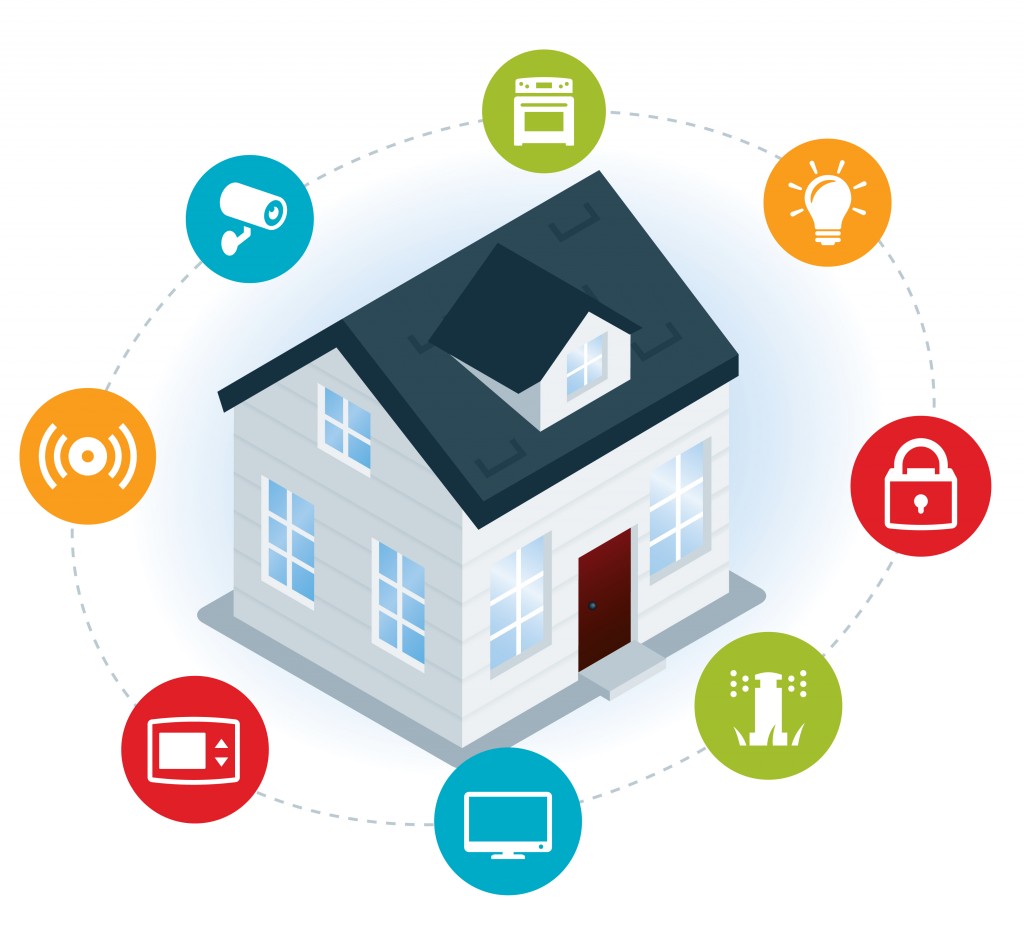
We’re not surprised, but it turns out that most people would rather live in “dumbhomes.” According to a late-2016 survey by Gartner of nearly 10,000 consumers in the U.S., the U.K. and Australia, only about 10 percent of households currently have connected home solutions, or “smarthome” features. In fact, 3/4 of those asked indicated they are happy manually adjusting temperature and lighting, versus those who expressed interest in having smart devices anticipate their needs in the home. A majority even indicated a preference for independent devices, like traditional knobs and dials, whose operations can’t be controlled via an app.


Trying to get consumers to put a lot of money towards outfitting their homes with fancy connected gadgetry is tough. Most people have no problem with raising their own blinds, turning on the heat manually, or starting their coffee maker. To make matters worse, managing all of your connected gadgets from your phone can be an even bigger time-sink, since you have to spend time setting up and managing various profiles and device controls. This flies in the face of the supposed convenience that home automation is supposed to bring.


So what’s happening to the idyllic, AI-controlled future we’re supposed to be living in? Performance issues with the tech itself (Amazon’s S3 server crash recently, for example). Also, people just aren’t nerdy enough on average. Yes, the people who tend to get most excited about remote-controlling their homes are…well…nerds.


“Although households in the developed world are beginning to embrace connected home solutions, providers must push beyond early adopter use,” says Amanda Sabia, principal research analyst at Gartner, commenting on the research in a statement. “If they are to successfully widen the appeal of the connected home, providers will need to identify what will really motivates current users to inspire additional purchases.” And what motivates users? Security. Home security alarm systems have nearly double the adoption rates of newer “convenience” systems, such as home monitoring, home automation, or energy management. People don’t want smarthomes, it seems. They want safe homes.


These established home security alarm services are a little different, since they involve a monthly fee. However, adding a monthly fee to the other categories doesn’t seem to work. Subscriptions for home automation/energy management are a tougher sell since more than half of current households are already using these services for free. Can you imagine paying a monthly charge for using Alexa?


Apple’s approach with HomeKit/Home App is unique seemingly effective. Gartner says that respondents are starting to see the value of having just one app integrating their smarthome devices. They also like brand certification for connected home devices and services. The latter is important if you don’t want your IoT gas oven to be hackable or your connected security camera to spy on you.


At iFixYouri, we understand that not everyone interested in IoT is comfortable installing smart-home devices themselves. Our phone lines are always open for anyone with a question regarding the purchase and installation of wifi-enabled light sockets, climate control systems, or security cameras. And, of course, our technicians are more than happy to repair any device you might have, IoT or not. Whether you stop in at your nearest iFixYouri location or mail your devices to our state-of-the-art repair facility, we’re here to make sure your transition to a smart-home is as smooth and painless as possible.

Samsung Gets Big with the Tab S3

Samsung, defender of all that isn’t Apple in the tech world, has set their sights on the iPad Pro. As by far the most popular “professional” tablet, the Pro sets the standard: large screen, dedicated stylus, powerful performance. But Samsung is hoping their Tab S3 will put a dent in Apple’s dominance.


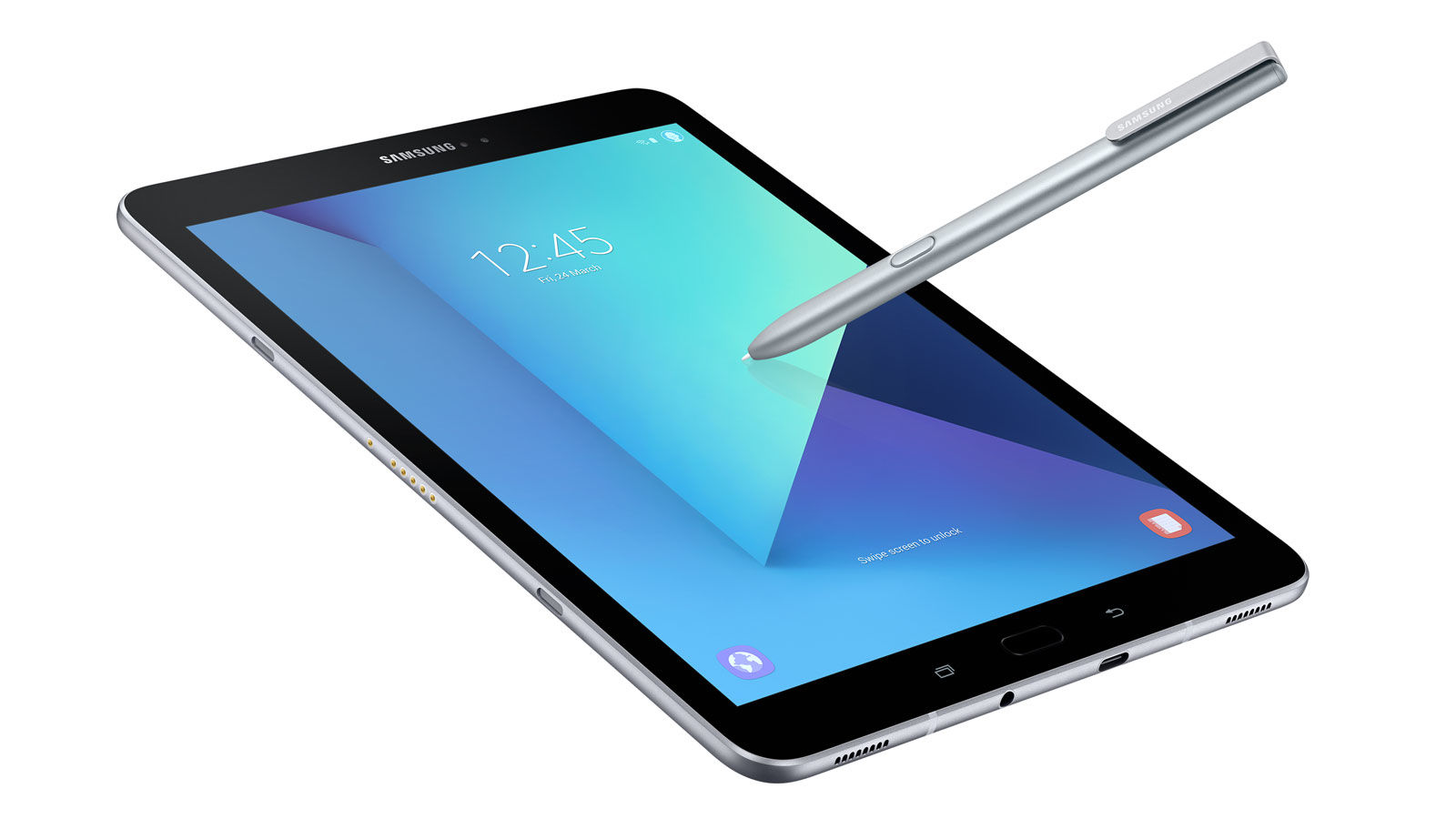
The Tab S3 boasts a huge 9.7-inch, Super AMOLED display capable of HDR video. Under the hood there’s a heady Qualcomm Snapdragon 820 processor, and 4GB of RAM. There’s only a paltry 32GB of storage but a MicroSD card slot supports memory expansion up to 256GB. The tablet now has four speakers and is just 6mm thick. All this for $599 and is bundled with a new, larger S Pen, Samsung’s proprietary (and highly rated) stylus. It’s everything you like in a Samsung tablet, but bigger, faster, better.


$600 will seem pricey for an Android tablet, but it’s priced to meet the year-old iPad Pro of the same size and similar specs. It’s actually a better deal, since the Apple Pencil stylus will cost you another $99. Even the keyboard cases are similarly priced; Samsung’s for $129 versus Apple’s $149. With very little news as to a new iPad Pro model being released this year, Samsung is taking the opportunity to wedge themselves into this new sector of the market.


Hopefully, Samsung will support developers in making Android apps optimized for larger screens, something that’s plagued Android tablets since their inception. iOS applications and games have always transitioned very well to the iPad, even the gargantuan 12.6” model. The lack of similar quality has hurt the attempts by Samsung and other Android tablet manufacturers to pose anything resembling a serious threat to the iPad. Microsoft made an attempt, pretending that the Surface Pro 4 wasn’t just a high-powered touchscreen laptop without a keyboard, but consumers quickly saw through the ruse (the high price point didn’t help).


With a big screen comes the big possibility for damage, however. If you purchase a Tab S3 and end up with a crack or any other sort of damage, bring it to iFixYouri. It doesn’t matter how new a product is; if it has a screen, our team of technicians can replace it. Come to any iFixYouri walk-in location or send it in to our dedicated repair center with our international mail-in service.

Android? iOS? Two Sides of the Same Phone

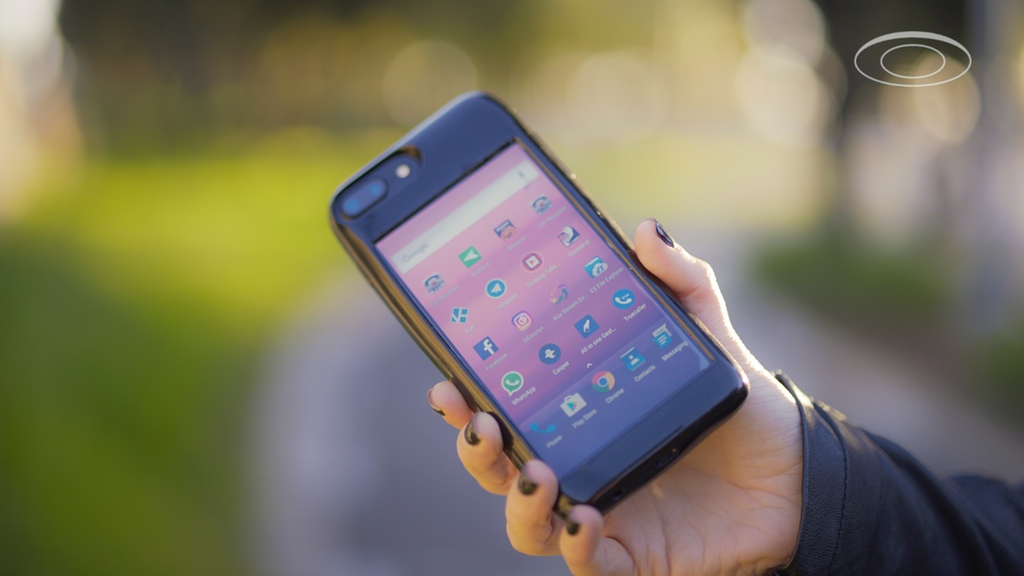
If you’ve ever dreamed of running Android on an iPhone, you’re not alone. It’s possible, but usually involves some intensive phone-hacking and some serious warranty-voiding. Apple designed iOS to be totally locked down, making it one of the more difficult things for a hacker to do and never results in something that’s commercially viable. One company, Esti Inc, decided to put Android on iPhone by physical methods with the Eye case. The Eye is an iPhone case that takes the most simple, Occam’s-Razor route to pairing the two mobile operating systems: put one on top of the other.

The result is crazy but we can’t find fault in it. When in place, the Eye creates a Frankenstein’s Monster of a device. The back of your device becomes another screen, ostensibly another phone running stock Android. It acts as sort of a technological parasite by accessing the speakers, cameras, and microphones of Apple’s device, but other than that, the Eye works like a standalone Android phone. Two SIM card slots (very important for selling outside the US, as we’ve mentioned before), a microSD slot, a 3.5mm headphone jack (great for iPhone 7!) and contains its own battery and NFC chip. The screen is a basic 5-inch AMOLED display, but you can flip it over if you want to watch Netflix.

So, this isn’t exactly the same as running Android on your iPhone. Sure, it adds some features that your iPhone doesn’t have, but nothing that a regular Android phone can’t do. If you’re someone who needs to carry around two devices (like marketing types running social media) the Eye actually sounds like a good idea: keep your company Twitter, Facebook, etc logged in on the Android side. Esti Inc. hasn’t gone into detail on the internal specs of the Eye, but given the low price (the Kickstarter early-bird is $95 without 4G, or $129 with) it’s hard to imagine a powerful full Android experience from this piggybacking thing.
If you’re planning on backing the Kickstarter, be careful. Esti Inc. is a brand-new company with no prior products and no history, so invest accordingly. A few of us at iFixYouri think it’s a really neat idea, despite what the naysayers around here are mumbling. Soon, we won’t be able to hear them over the nightmarish sound of two cellphones ringing simultaneously.

Smartphone, Tablet and Computer Repairs and News