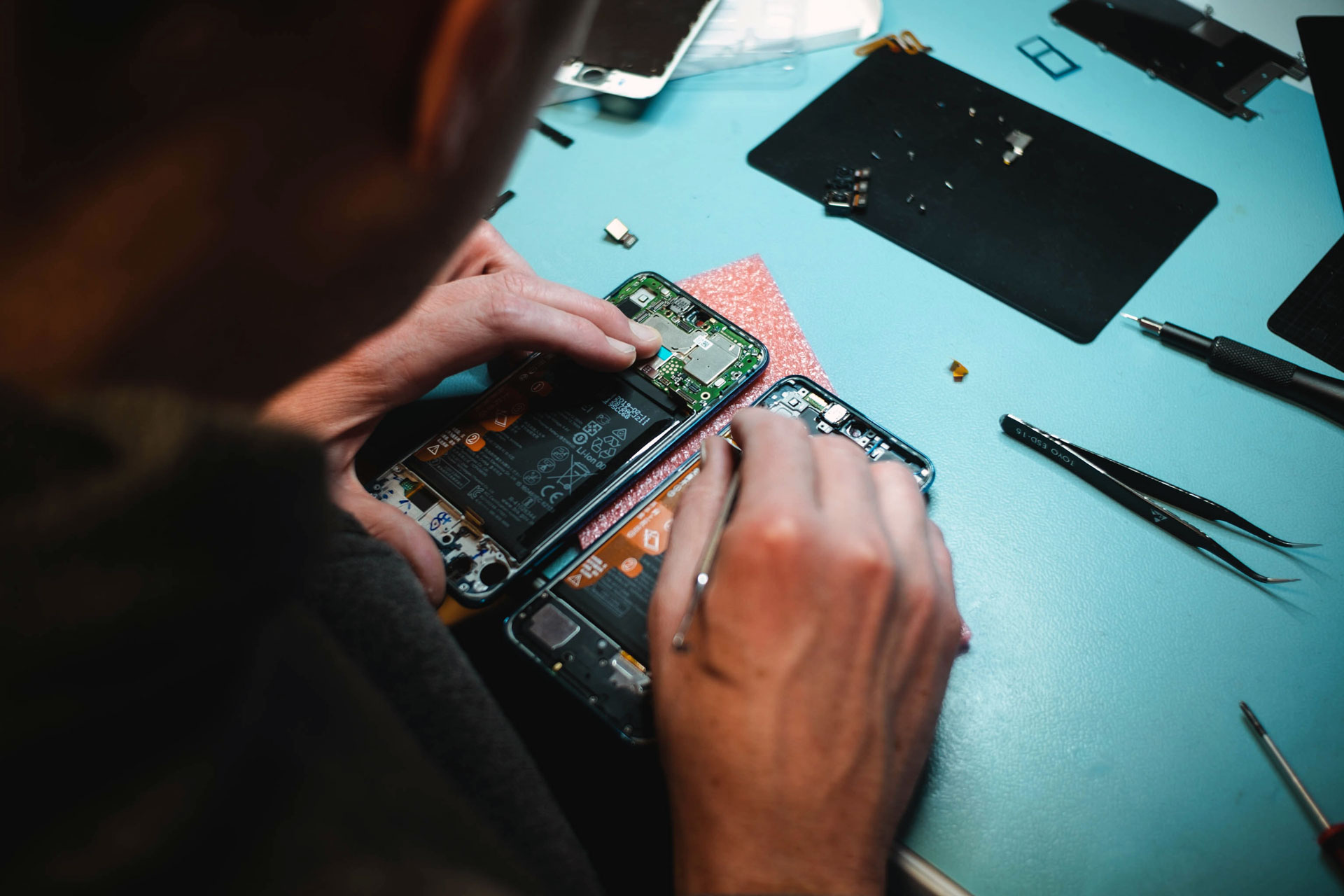
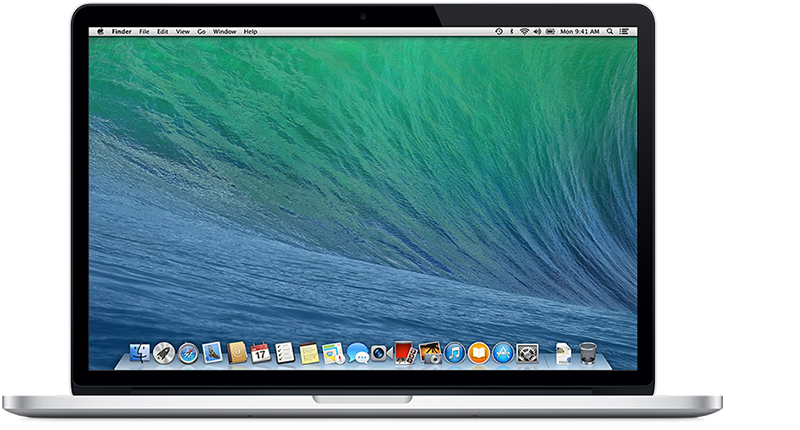
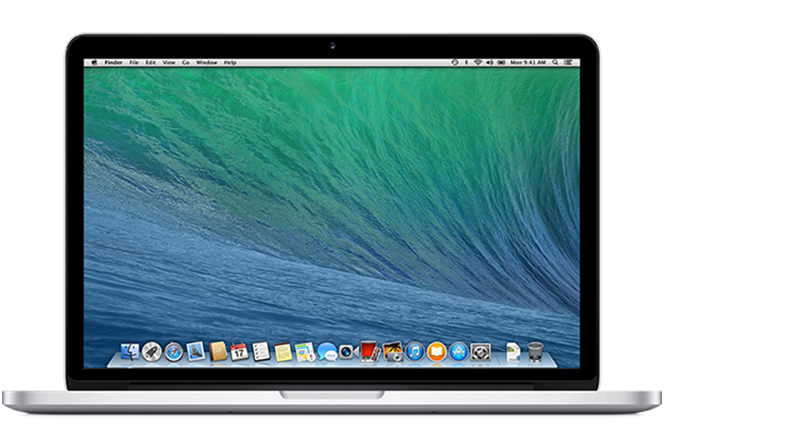
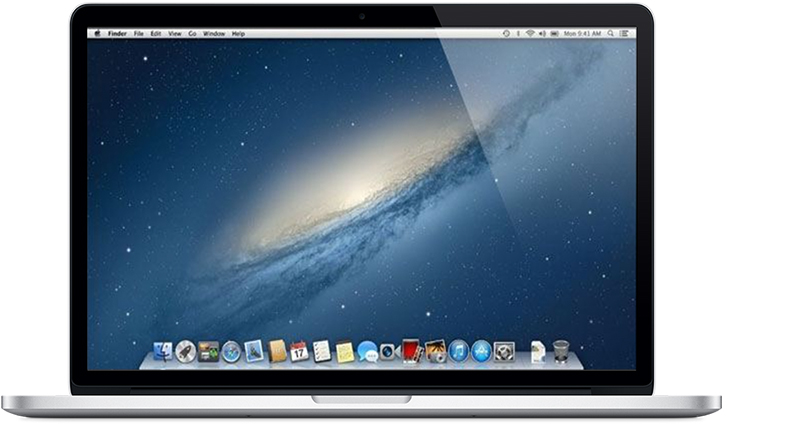
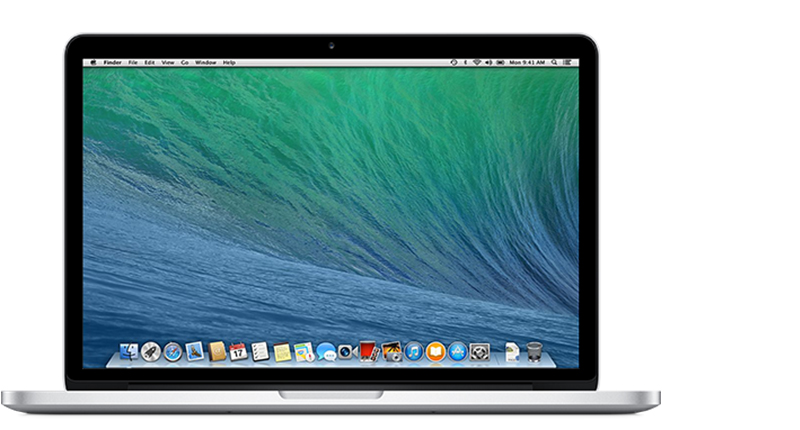
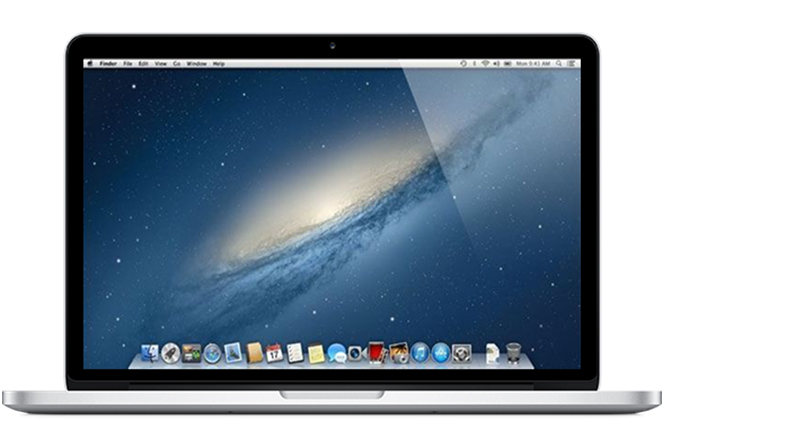
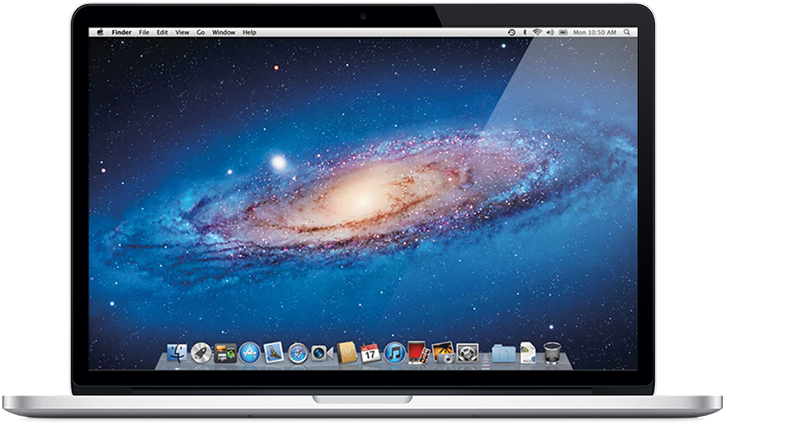
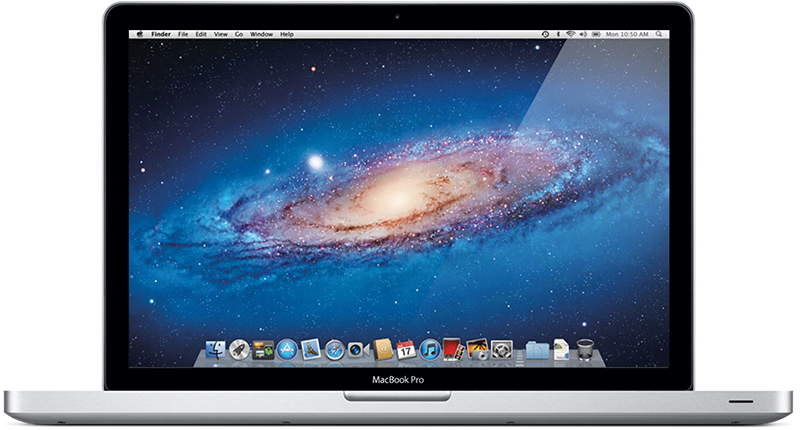
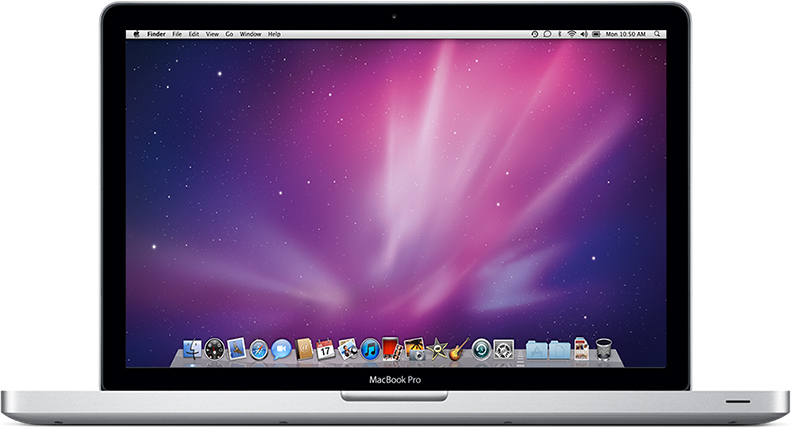
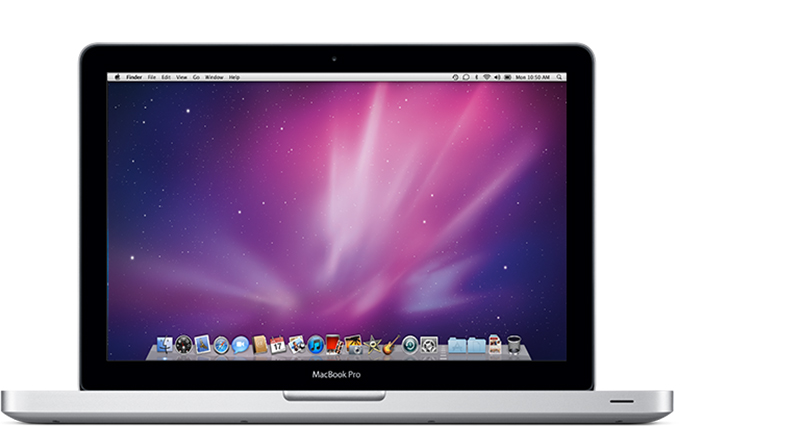
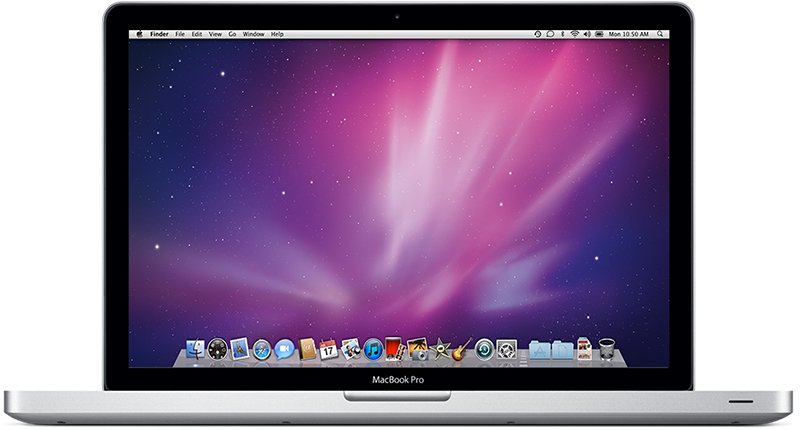
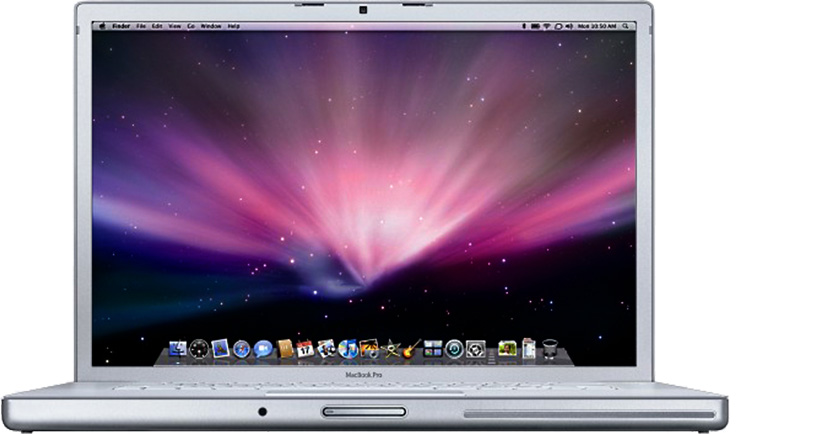
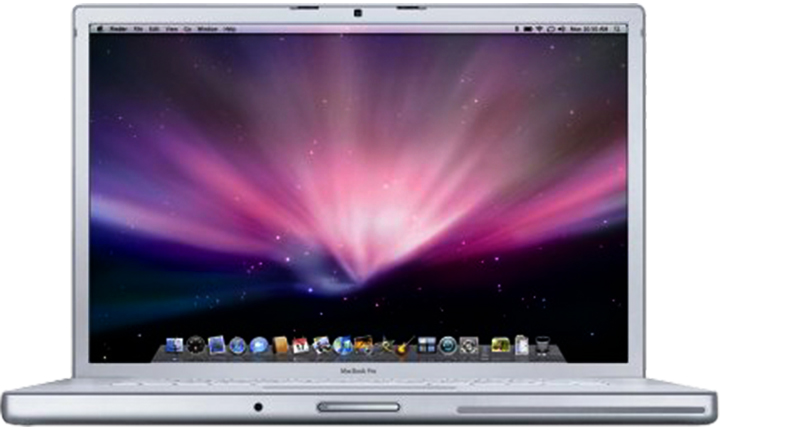
Are you trying to turn your broken iPhone, iPad or Macbook into a D.I.Y project? Even though fixing your device sounds like a good idea initially, the work you do to it could possibly cause more damage or break it completely.
Fixing a device is a tedious task and requires a lot of your time and effort, as well as the tools needed.
Here are the tools you’ll need to be successful at fixing an iPhone, iPad or MacBook
Small Phillips screwdriver
Small Flathead screwdriver
Plastic opening tools
Suction cup
Nylon Spudger
Point Pentalobe screwdriver
Fine tip curved tweezers
Microfiber cleaning glass
SIM card ejection tool
Handle bar
Flexible extension shaft
While some people have had luck repairing their device with an at-home tool kit, others not so much. Below are real reviews written in response to a tool kit:
“Tri tip screwdriver has successfully stripped over half of the screws I’ve tried to remove. This is not a quality product. Maybe I just happened to receive a dud, but I’m definitely not impressed. The Tri Tip screw driver appears to not be “sharp enough” to engage the screw head and get a grip on it. In turn, it strips the screws easy. This has now caused a mess that I have to deal with, and also wait to get another kit of better quality. At first I thought it was user error, but it stripped two screws in a row with proper pressure applied after only removing two screws.”
“No Phillips screwdriver, no tweezer, basically useless for computer repairs.”
“The kit comes with everything you’d need, but the screwdriver heads and extensions drop right out of the handle, a simple magnet would hold them in place, but what I got was completely useless!”
Most importantly, fixing one of these devices, even with the tools needed, requires experience. Without this, you will probably spend several hours flustered over a procedure you don’t understand.
To avoid the mishaps and frustration, we strongly recommend that you have an expert repair your device for you. Even though repairs may seem costly, partnering with a reasonably-priced repair service will save you time and money.
Apple said it best. The latest update- iOS 14- looks brand new and feels like home. This update came alongside the iPhone 12, which was released in October. The goal of this post is to show how to upgrade your iPhone with iOS 14.
The update’s fresh features are just one of the many reasons why people are so eager to get their hands on the iPhone 12. Yet, the update is also compatible with the iPhone 6 and later models as well as several iPad models. Here’s a highlight of some of the new iOS 14 features that will help upgrade your iPhone experience.
Add Widgets to Your Homescreen
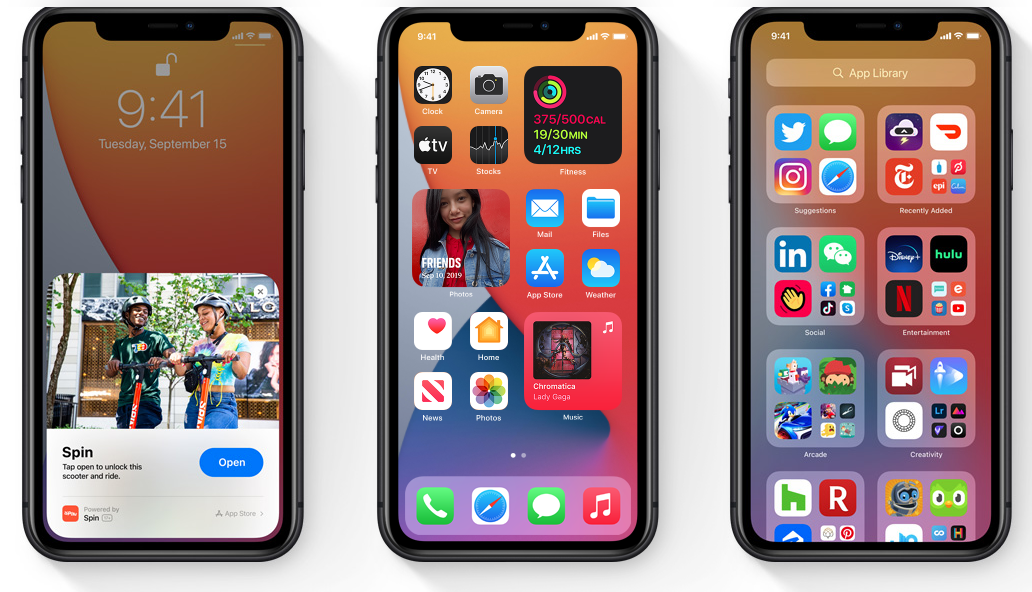
With iOS 14, you can now customize your home screen and other pages to be more fitted toward your personality and lifestyle.
iPhone with iOS 14: Widgets
Widgets, which at one point could only be examined with a swipe to the left, can now be placed directly on your home screen, allowing quick access to information.
Convenient widgets to have:
Weather
Mail
News
Clock
Podcasts
Notes
Music
Calendar
Travel
Stocks
Reminders
Fitness
Each widget can be sized and placed differently, as well as stacked on top of each other to save space and keep your screens organized.
iPhone with iOS 14: App Library
Another iOS 14 feature that helps with saving space and organization is the App Library. Instead of having your apps at random and scattered, or having to manually organize your apps in folders, your phone does all the work for you.
The App Library automatically organizes your apps into convenient categories such as Suggestions, Recently Added, Social, Entertainment, and Creativity. The best part about this update is that every one of these folders can be found on one screen. All you have to do is swipe all the way to the right and there you have it!
Multitasking in iOS 14
Have you ever scrolled through your socials or read your emails when suddenly you’re interrupted by a phone call that takes up the whole screen? With the newest update, you can do two things at once.
Because of a new compact design, only a small top portion of your screen is used when someone gives you a call. This feature allows you to answer your calls while still being able to navigate your phone.
iOS 14 Multitasking with FaceTime
What about facetime calls? The same still stands true. Now you can talk face-to-face with a friend (sort of) without having to pause what you were doing beforehand.
Even movies and videos? Sure. Without having to pause your movie marathon on Netflix, you can get other tasks done.
Think about it this way, the more you can get done at once and the less time you have to spend on your phone, the better your screen time statistics. This sounds like a win-win situation.
Stay conveniently connected
Navigating through your messages can be a bit overwhelming at times, especially if you are carrying several conversations at once.
To make this task easier, iOS 14 has introduced several features to ensure that the right person receives the right message.
Pinned conversations
With pinned conversations, you are now able to pin up to nine significant messages to the top of your conversation list.
Pinned conversations will indicate unread messages, give you a preview of the person’s reply and let you know how they react to a message you sent.
Group photos, mentions, and inline replies
Do you have several group chats that are difficult to differentiate because they have the same overlapping people, or you find yourself becoming annoyed because your phone is flooded with messages?
Now you are able to add an image to group chats to help tell them apart, send a direct message to someone within a group chat and reply directly to a message within a group chat. This way your notifications are reduced and you see the messages meant for you.
Search Securely with Safari
According to Apple, Safari is more responsive than ever before with the iOS 14 update. The update ensures that you are able to browse the web efficiently and securely.
Translate What You See
Safari can now recognize and translate webpages in seven different languages. Once you come across a webpage that can be translated, just click on the icon that will appear and begin reading.
Passwords and Privacy
iOS 14 Privacy Report details
An iPhone with iOS 14 benefits from a version of Safari that mindfully monitors your saved passwords to guarantee that each one you use is secure. There is also now a Privacy Report button that can be used to acknowledge how websites treat your privacy.
All of these new features are meant to make using your phone an easier task. But keep in mind, the functionality of iOS 14 depends on the model of your iPhone. The older the model, such as the iPhone 6, the slower your phone may function with the update.
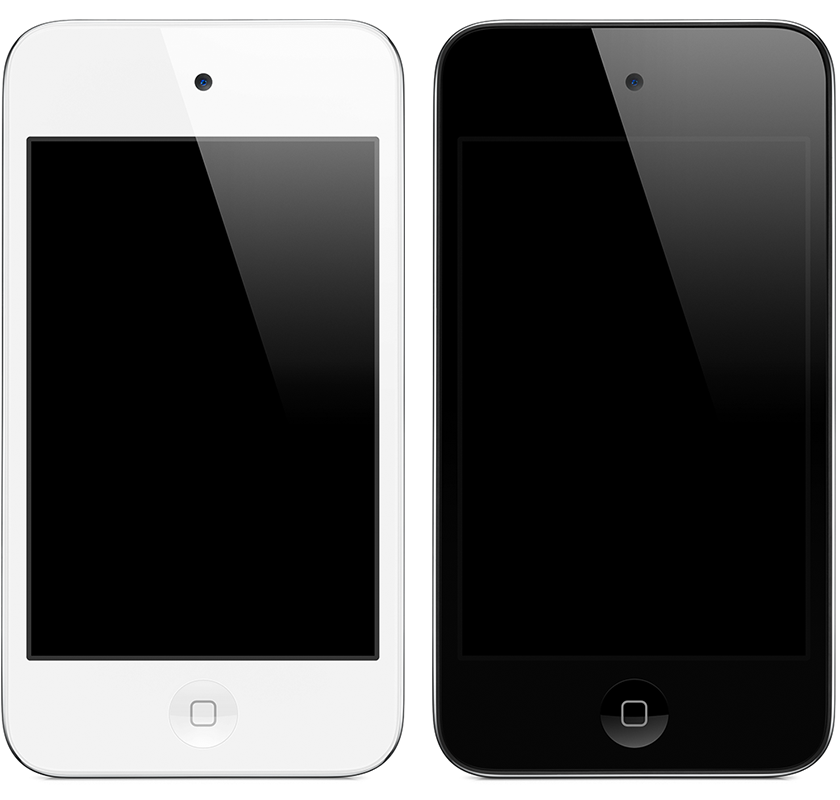
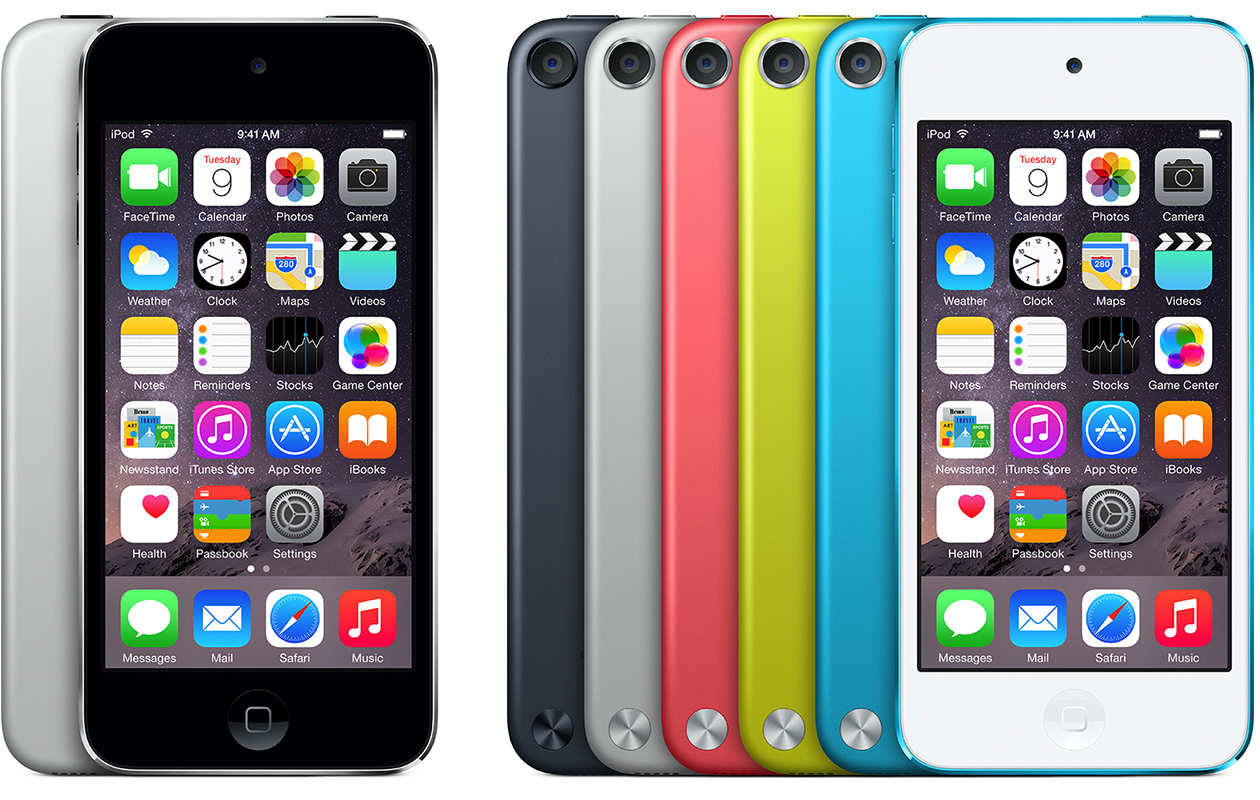
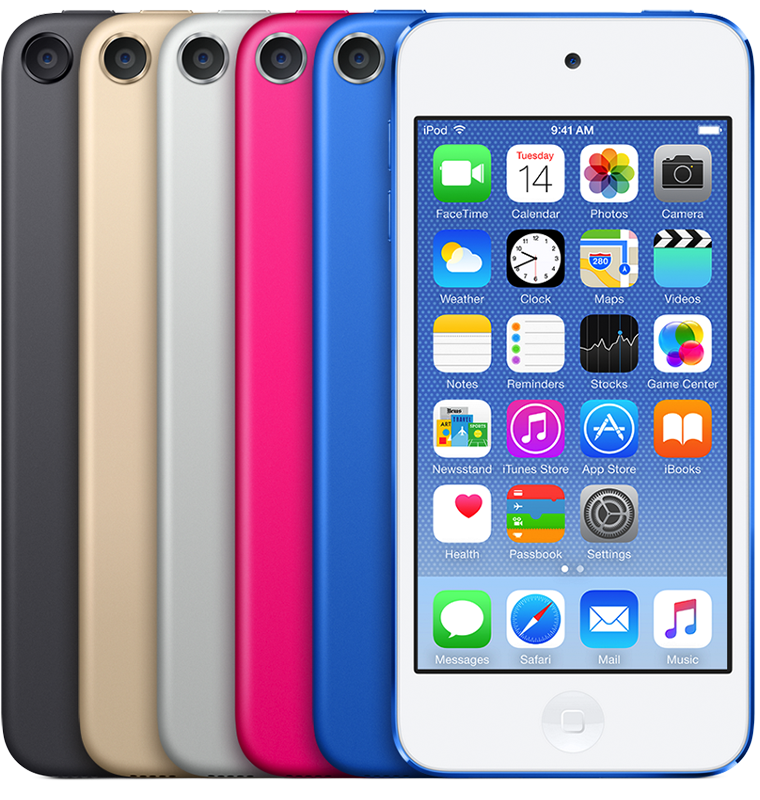
You finally get around to doing your spring cleaning- just a few months late- when you come across your old iPod. You
neglected it once newer Apple devices arrived and hit the market. Now you wonder “ What iPod do I have?”
Just over 19 years ago, Steve Jobs announced the launch of the first iPod, which has changed the way we access our
music forever. Since then, over 20 models have been released, so it can get a bit confusing.
If you feel nostalgic and desire to listen to your music the way you used to but your iPod is not working properly,
i Fix Your i can run a diagnostic test for free as well as
repair your device for an affordable price.
Here’s a breakdown of what device may be storing your throwback tunes and classic hits.
iPod Classic
2001
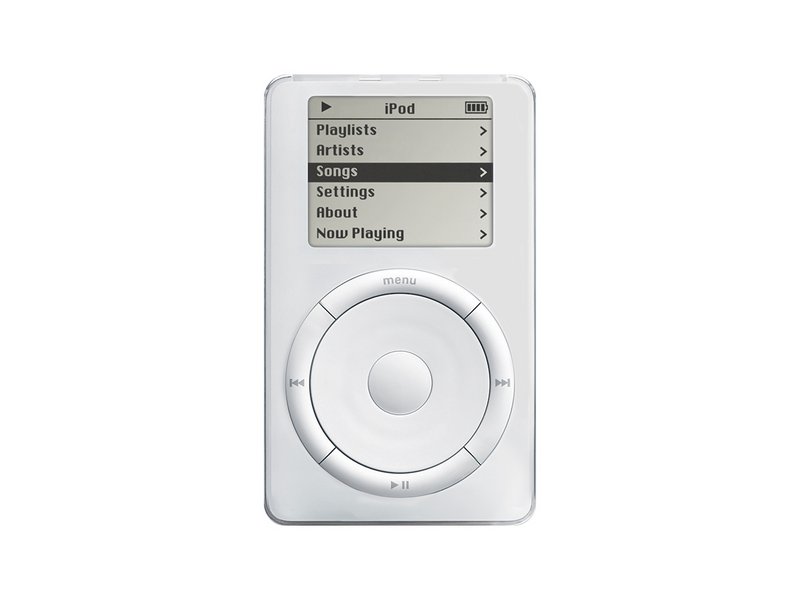
iPod Classic 1st Gen. (Oct. 23, 2001)
Navigation: Scroll Wheel
Capacity: 5 and 10 GB
Model Number: M8541
2002
iPod Classic 2nd Gen. (July 17, 2002)
Navigation: Touch sensitive wheel
Capacity: 10 and 20 GB
Model Number: A1019
2003
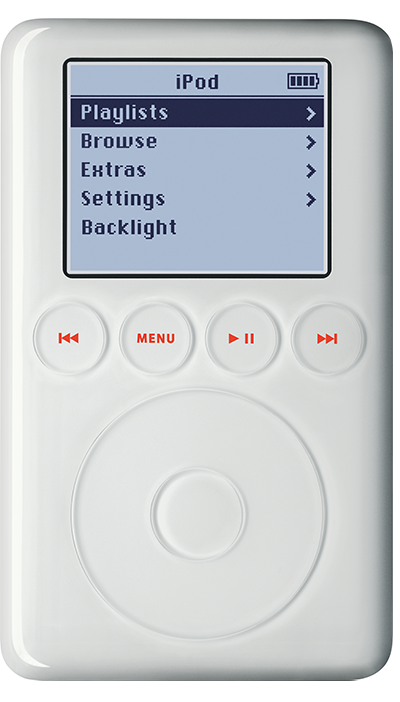
iPod Classic 3rd Gen. (April 28, 2003)
Navigation: Touch sensitive wheel
Capacity: 10, 15, 20, 30, 40 GB
Model Number: A1040
2004
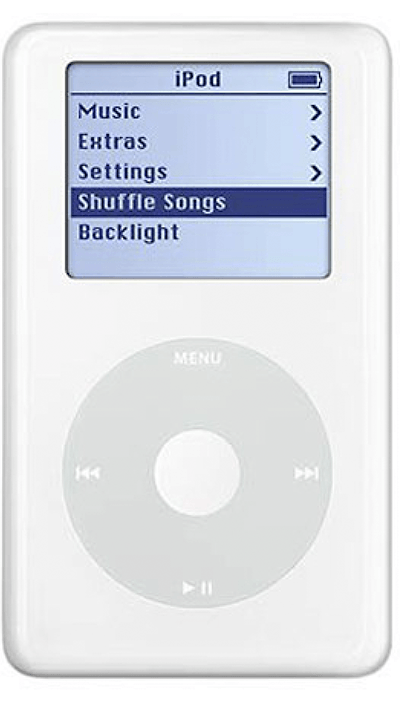
iPod Classic 4th Gen. (July 19, 2004)
Navigation: Click wheel
Capacity: 20 and 40 GB
Model Number: A1059
iPod Classic 4th Gen. with color display (Oct. 26, 2004)
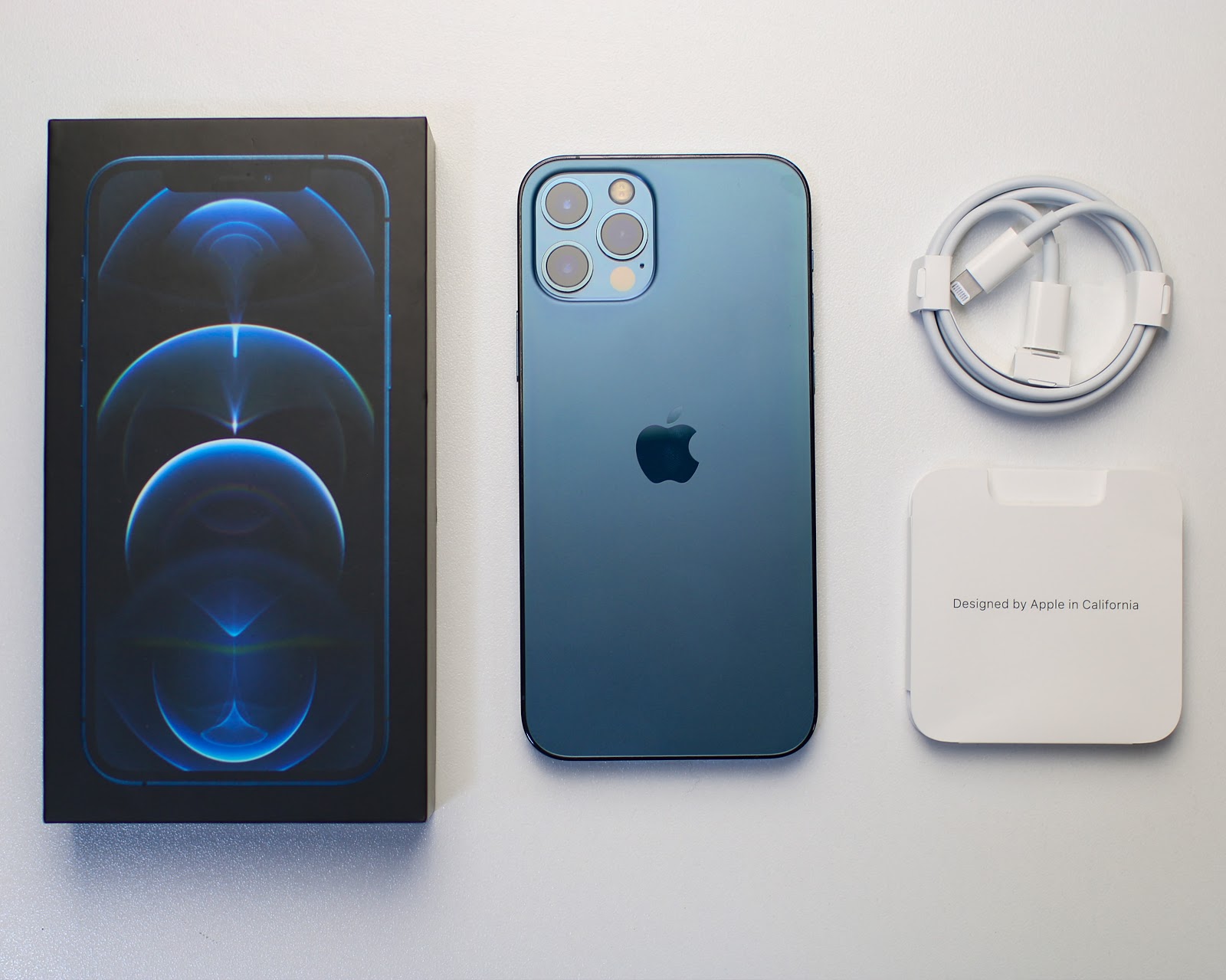
Loyal Apple users and technophiles alike are now ordering the iPhone 12, or at least two of the four models.
Apple recently announced the launch of four new iPhone models- the most to ever be released in a lineup at once. The iPhone 12 and iPhone 12 Pro are available for U.S preorders as of Friday Oct. 16. The device will be available in stores by Oct. 23.
If buyers want the iPhone 12 Mini or the iPhone 12 Pro Max, they will have to wait a little longer. These two models won’t be available to preorder until Nov. 6.
With time in between the next pre-order, there are things to consider before making the purchase.
What’s new with the iPhone 12?
According to Apple, the iPhone 12 has 5G speed that allows for one trillion functions to be performed per second. The phone’s A14 Bionic is claimed to be the fastest chip in a smartphone and goes beyond its time. With this new feature, downloading, streaming and Facetiming can be done at ease.
The iPhone 12 has also improved externally. It offers a new body design and overall look with aerospace-grade aluminum edges, as well as an edge-to-edge OLED display.
“This is the best iPhone display we’ve ever made, and it goes all the way to the edge,” Apple noted on its official website.
Photo Credit: Zana Latif via Unsplash.com
The advanced display delivers more contrast, remarkable color accuracy and an increase in pixel density. With four-times better drop performance and stronger splash resistance than other models, this phone will be hard to break. If your phone does happen to break and is in need of repairs, you can schedule an appointment and bring your device to a walk-in iFixYouri location.
Advanced can also be used to describe the camera features- night mode and Smart HDR 3. Both the wide and ultra-wide cameras bring in 27 percent more light than other models, which allow for pictures to retain detail and color no matter the lighting setting. Smart HDR 3 uses science to balance elements such as color, sharpness and texture. Now, studio-quality photos are one reach away.
If these features are not appealing enough, the iPhone 12 also comes in five fresh color finishes- white, black, navy blue, apple red and seafoam green.
What about the iPhone 12 is the same?
Labeled as a “blast from the past,” the new iPhone appears to pay homage to the iPhone 5, 5s, SE and iPad Pro with its squared-off edges.
The iPhone 12 has also incorporated MagSafe wireless charging, originally found in the MacBook, to improve charging efficiency. This will be exciting to some people ordering the iPhone 12. However, our technicians have been wondering what the smaller battery size of the iPhone 12 will affect its battery life.
At what cost?
Photo Credit: Apple
The iPhone 12 mini, which has a 5.4-inch display screen, starts at $699. Apple claims it’s the world’s smallest, thinnest 5G phone.
The iPhone 12 starts at $799 and has a 6.1-inch display. Both the iPhone 12 mini and iPhone 12 offer 64 GB, 128 GB and 256 GB of storage.
The iPhone 12 Pro starts at $999 while the iPhone Pro Max starts at $1,099. Both devices offer 128 GB, 256 GB and 512 GB of storage.
iPhone 12 Mini
iPhone 12
iPhone 12 Pro
iPhone 12 Pro Max
Price
$699
$799
$999
$1,099
Display
5.4 inches OLED (2340 x1080)
6.1 inches OLED (2532 x 1170)
6.1 inches OLED (2532 x 1170)
6.7 inches (2778 x 1284)
Colors
Black, White, Red, Green, Blue
Black, White, Red, Green, Blue
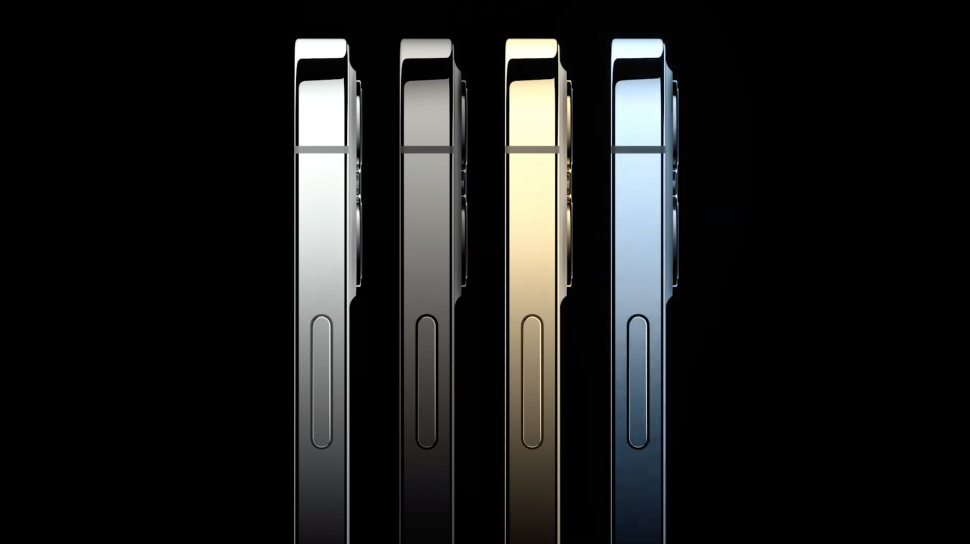
Silver, Graphite, Gold, Pacific Blue
Silver, Graphite, Gold, Pacific Blue
CPU
A14
A14
A14
A14
Storage
64 GB 128 GB 256 GB
64 GB 128 GB 256 GB
128 GB 256 GB 512 GB
128 GB 256 GB 512 GB
Whether an Apple user is looking for a phone that is small but mighty or large and sturdy, the new iPhone 12 lineup is innovative and has captivated many thus far.
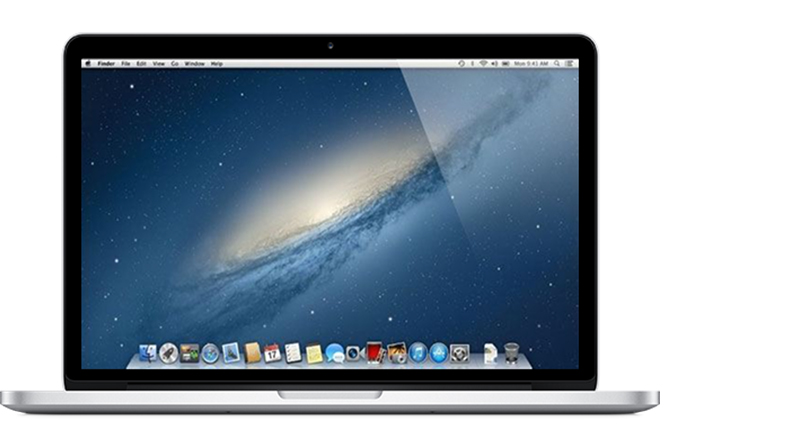
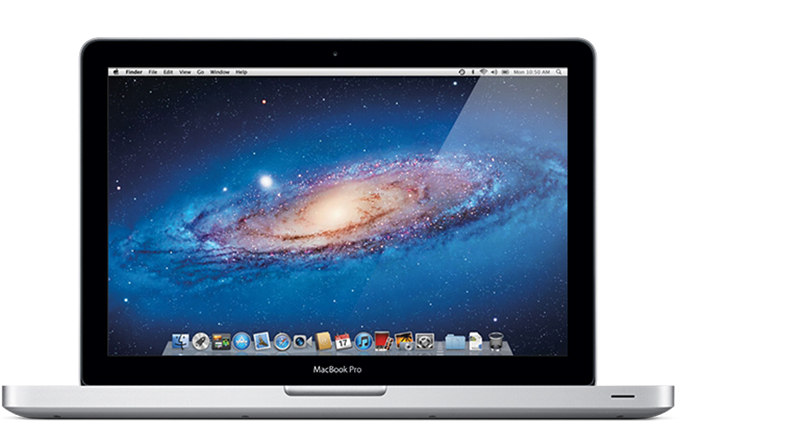
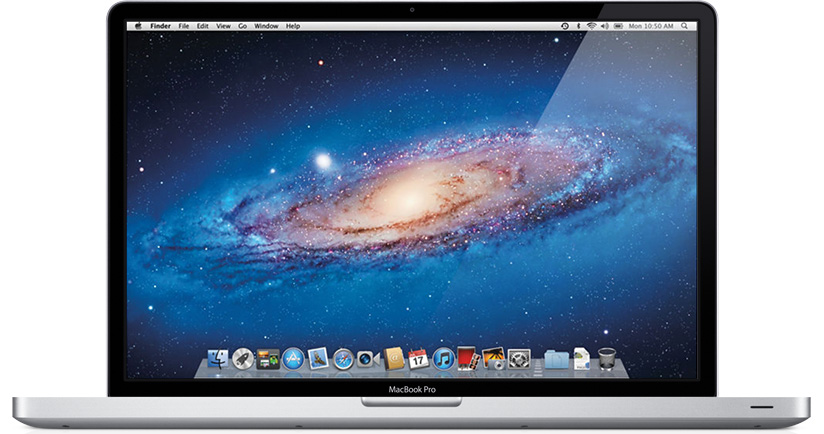
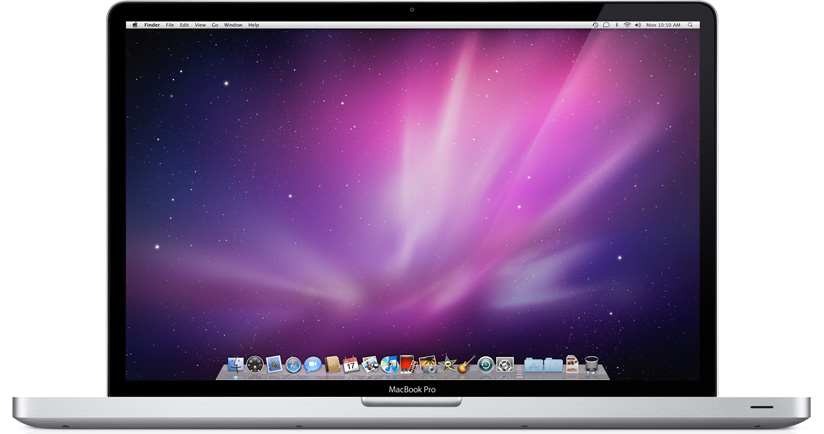
There are so many different MacBook models dating back as far as you can remember. Polycarbonate, Aluminum, Unibody, Retina, Touchbar, the list goes on and on. It’s hard to sort new from old, modern from dated.
The aim for this article is to simplify and streamline, and most importantly, answer the age old adage of the MacBook model debacle.
The first year that the Macbook was introduced was back in 2006. It hit the streets running, replacing the iBook and the Powerbook as the newest lineup for Apple’s laptop lineup. The Macbook served to target the consumer and education markets.
A few quick and easy steps can help you easily identify your Macbook, and help you determine if it’s ready for an upgrade, if it’s worth fixing your macbook, or if it’s next in line to be sold and passed on to the next user who will love and cherish it over the years.
To figure out your model, simply click on the Apple logo on the top left of your computer screen, and then select About this Mac.
You’ll find the Model, Size, and Year, along with the processor specs, and memory on this screen.
You have the correct information here to be able to get you to a model number for your Macbook.
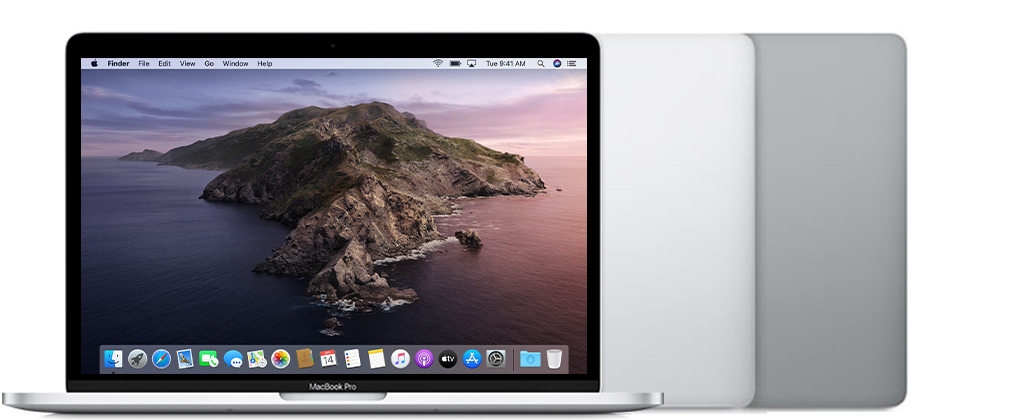
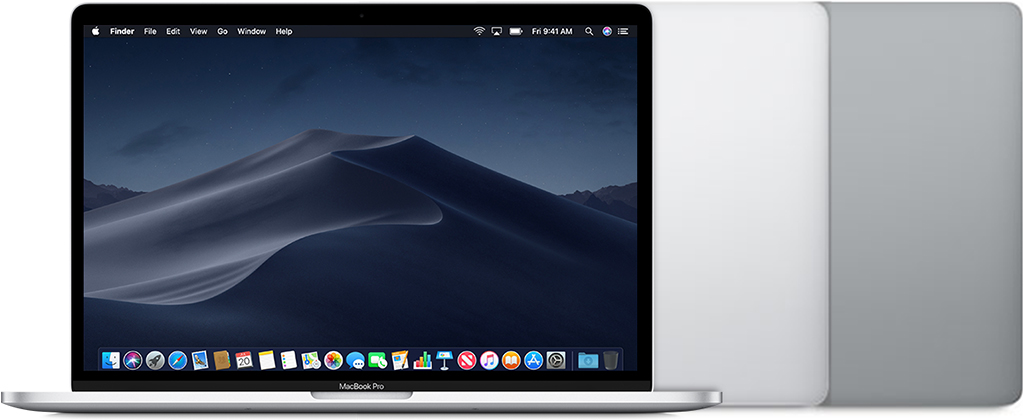
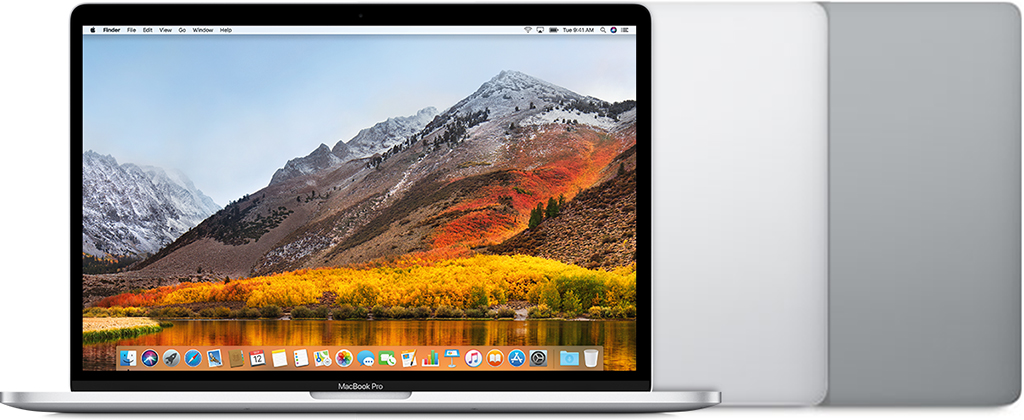
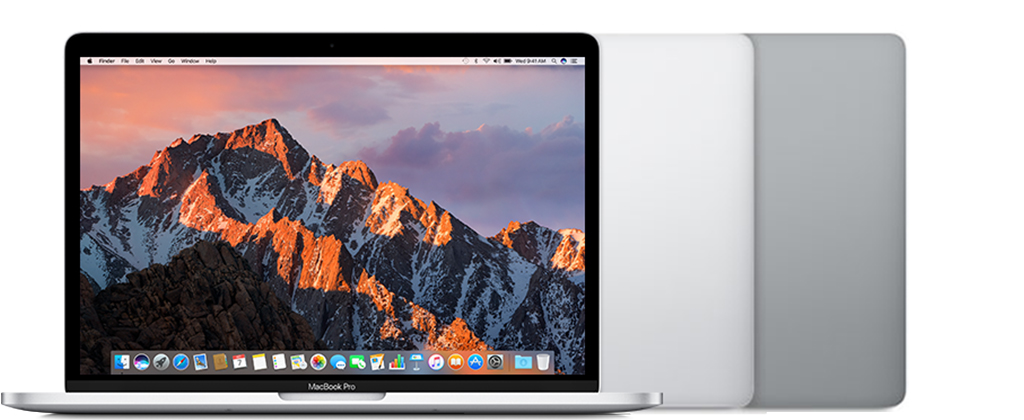
MacBook Pro (13-inch, 2020, Two Thunderbolt 3 ports) Colors: Silver, space gray Model Identifier: MacBookPro16,3 Part Numbers: MXK32xx/A, MXK52xx/A, MXK62xx/A, MXK72xx/A
MacBook Pro (13-inch, 2020, Four Thunderbolt 3 ports) Colors: Silver, space gray Model Identifier: MacBookPro16,2 Part Numbers: MWP42xx/A, MWP52xx/A, MWP62xx/A, MWP72xx/A, MWP82xx/A
2019
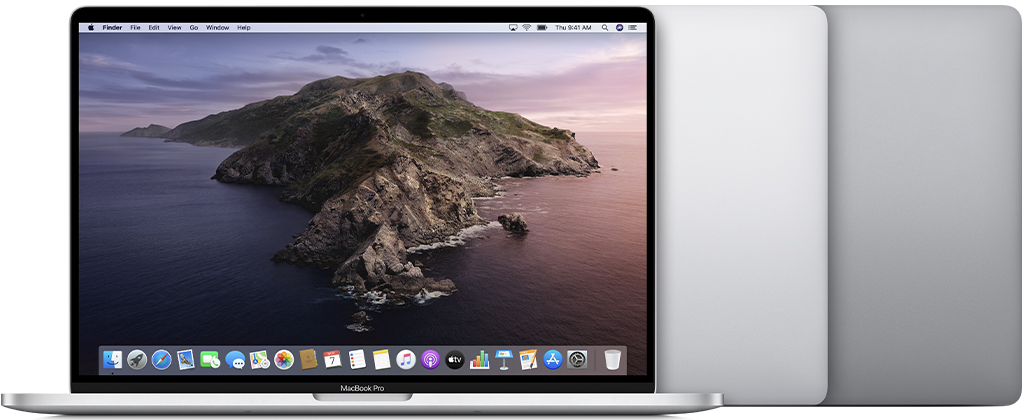
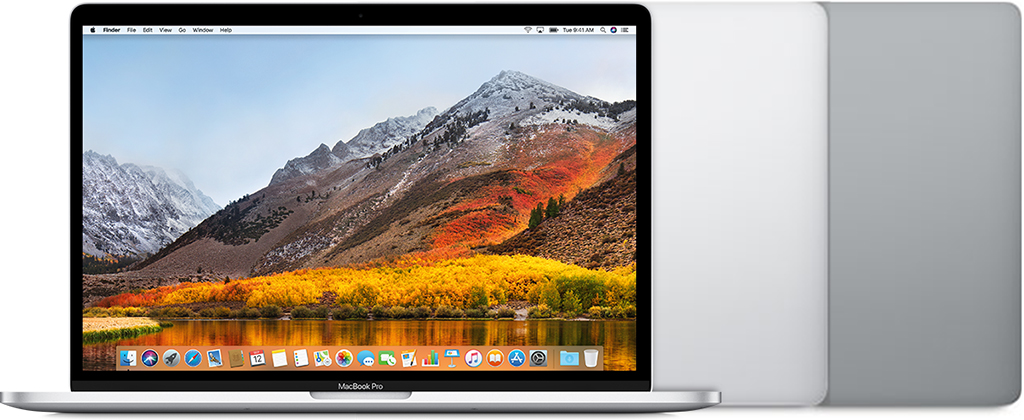
MacBook Pro (16-inch, 2019) Colors: Silver, space gray Model Identifier: MacBookPro16,1 Part Numbers: MVVJ2xx/A, MVVK2xx/A, MVVL2xx/A, MVVM2xx/A
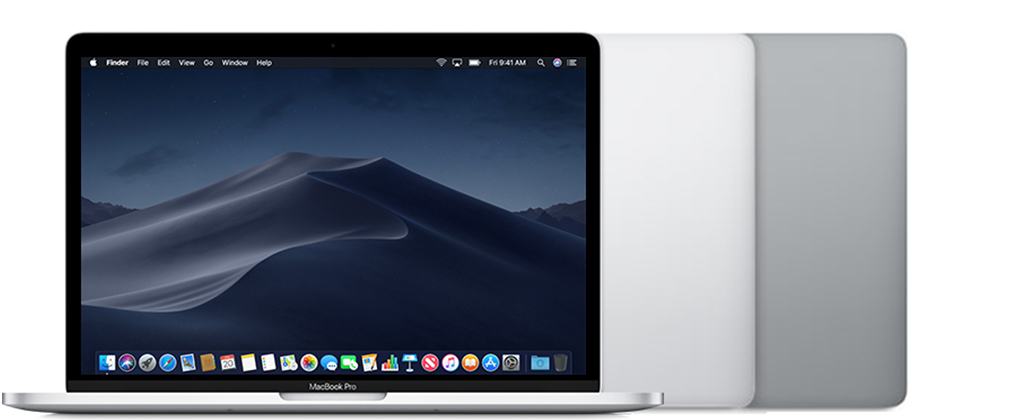
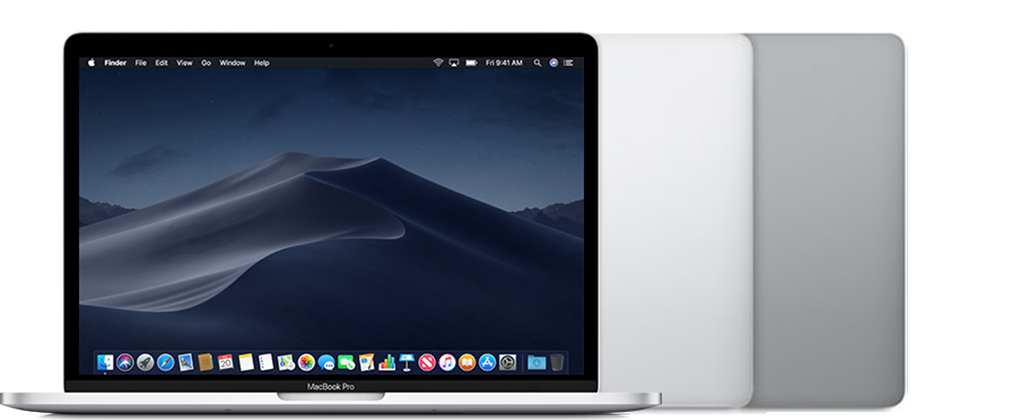
MacBook Pro (13-inch, 2019, Two Thunderbolt 3 ports) Colors: Silver, space gray Model Identifier: MacBookPro15,4 Part Numbers: MUHN2xx/A, MUHP2xx/a, MUHQ2xx/A, MUHR2xx/A, MUHR2xx/B
MacBook Pro (15-inch, 2019) Colors: Silver, space gray Model Identifier: MacBookPro15,1, MacBookPro15,3 Part Numbers: MV902xx/A, MV912xx/A, MV922xx/A, MV932xx/A, MV942xx/A, MV952xx/A
MacBook Pro (13-inch, 2019, Four Thunderbolt 3 ports) Colors: Silver, space gray Model Identifier: MacBookPro15,2 Part Numbers: MV962xx/A, MV972xx/A, MV982xx/A, MV992xx/A, MV9A2xx/A
2018
MacBook Pro (15-inch, 2018) Colors: Silver, space gray Model Identifier: MacBookPro15,1 Part Numbers: MR932xx/A, MR942xx/A, MR952xx/A, MR962xx/A, MR972xx/A, MUQH2xx/A
MacBook Pro (13-inch, 2018, Four Thunderbolt 3 ports) Colors: Silver, space gray Model Identifier: MacBookPro15,2 Part Numbers: MR9Q2xx/A, MR9R2xx/A, MR9T2xx/A, MR9U2xx/A, MR9V2xx/A
2017
MacBook Pro (15-inch, 2017) Colors: Silver, space gray Model Identifier: MacBookPro14,3 Part Numbers: MPTR2xx/A, MPTT2xx/A, MPTU2xx/A, MPTV2xx/A, MPTW2xx/A, MPTX2xx/A
MacBook Pro (13-inch, 2017, Four Thunderbolt 3 ports) Colors: Silver, space gray Model Identifier: MacBookPro14,2 Part Numbers: MPXV2xx/A, MPXW2xx/A, MPXX2xx/A, MPXY2xx/A, MQ002xx/A, MQ012xx/A
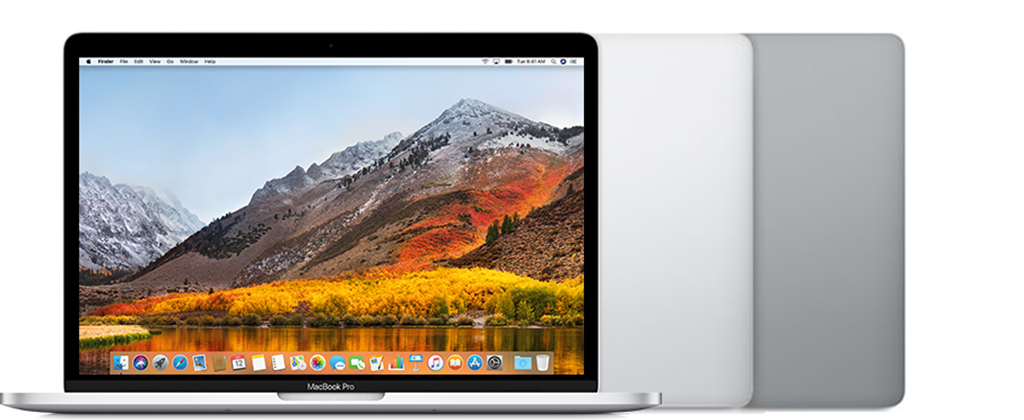
MacBook Pro (13-inch, 2017, Two Thunderbolt 3 ports) Colors: Silver, space gray Model Identifier: MacBookPro14,1 Part Numbers: MPXQ2xx/A, MPXR2xx/A, MPXT2xx/A, MPXU2xx/A
2016
MacBook Pro (15-inch, 2016) Colors: Silver, space gray Model Identifier: MacBookPro13,3 Part Numbers: MLH32xx/A, MLH42xx/A, MLH52xx/A, MLW72xx/A, MLW82xx/A, MLW92xx/A
MacBook Pro (13-inch, 2016, Four Thunderbolt 3 ports) Colors: Silver, space gray Model Identifier: MacBookPro13,2 Part Numbers: MLH12xx/A, MLVP2xx/A, MNQF2xx/A, MNQG2xx/A, MPDK2xx/A, MPDL2xx/A
MacBook Pro (13-inch, 2016, Two Thunderbolt 3 ports) Colors: Silver, space gray Model Identifier: MacBookPro13,1 Part Numbers: MLL42xx/A, MLUQ2xx/A
2015
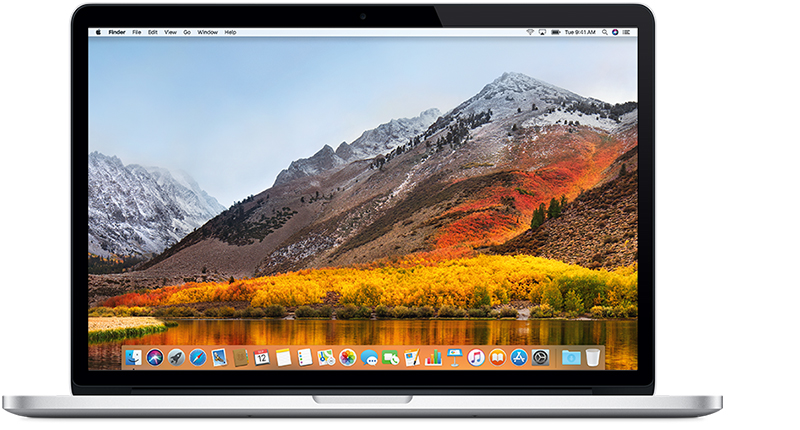
MacBook Pro (Retina, 15-inch, Mid 2015) Model Identifier: MacBookPro11,4 Part Number: MJLQ2xx/A
MacBook Pro (Retina, 15-inch, Mid 2015) Model Identifier: MacBookPro11,5 Part Numbers: MJLT2xx/A, MJLU2xx/A
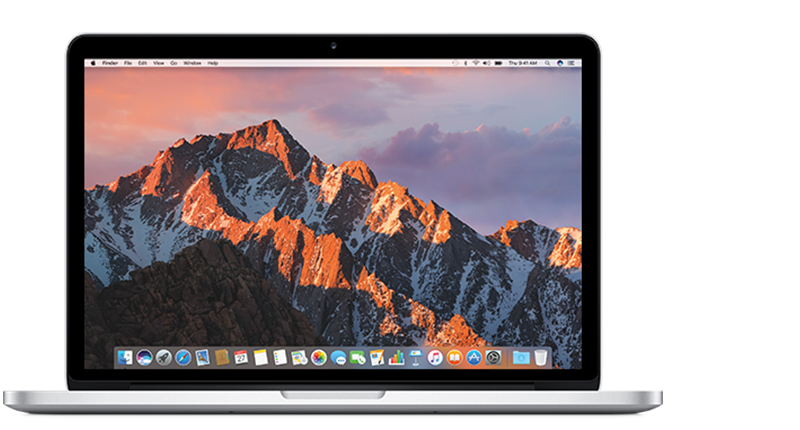
MacBook Pro (Retina, 13-inch, Early 2015) Model Identifier: MacBookPro12,1 Part Numbers: MF839xx/A, MF840xx/A, MF841xx/A, MF843xx/A
2014
MacBook Pro (Retina, 15-inch, Mid 2014) Model Identifier: MacBookPro11,2 Part Number: MGXA2xx/A
MacBook Pro (Retina, 15-inch, Mid 2014) Model Identifier: MacBookPro11,3 Part Number: MGXC2xx/A
MacBook Pro (Retina, 13-inch, Mid 2014) Model Identifier: MacBookPro11,1 Part Numbers: MGX72xx/A, MGX82xx/A, MGX92xx/A
2013
MacBook Pro (Retina, 15-inch, Late 2013) Model Identifier: MacBookPro11,2 Part Number: ME293xx/A
MacBook Pro (Retina, 15-inch, Late 2013) Model Identifier: MacBookPro11,3 Part Number: ME294xx/A
MacBook Pro (Retina, 15-inch, Early 2013) Model Identifier: MacBookPro10,1 Part Numbers: ME664xx/A, ME665xx/A
MacBook Pro (Retina, 13-inch, Late 2013) Model Identifier: MacBookPro11,1 Part Numbers: ME864xx/A, ME865xx/A, ME866xx/A
MacBook Pro (Retina, 13-inch, Early 2013) Model Identifier: MacBookPro10,2 Part Numbers: MD212xx/A, ME662xx/A
2012
MacBook Pro (Retina, 15-inch, Mid 2012) Model Identifier: MacBookPro10,1 Part Numbers: MC975xx/A, MC976xx/A
MacBook Pro (15-inch, Mid 2012) Model Identifier: MacBookPro9,1 Part Numbers: MD103xx/A, MD104xx/A
MacBook Pro (Retina, 13-inch, Late 2012) Model Identifier: MacBookPro10,2 Part Numbers: MD212xx/A, MD213xx/A
MacBook Pro (13-inch, Mid 2012) Model Identifier: MacBookPro9,2 Part Numbers: MD101xx/A, MD102xx/A
2011
MacBook Pro (17-inch, Late 2011) Model Identifier: MacBookPro8,3 Part Number: MD311xx/A Newest compatible operating system: macOS High Sierra 10.13.6
MacBook Pro (17-inch, Early 2011) Model Identifier: MacBookPro8,3 Part Number: MC725xx/A Newest compatible operating system: macOS High Sierra 10.13.6
MacBook Pro (15-inch, Late 2011) Model Identifier: MacBookPro8,2 Part Numbers: MD322xx/A, MD318xx/A Newest compatible operating system: macOS High Sierra 10.13.6
MacBook Pro (15-inch, Early 2011) Model Identifier: MacBookPro8,2 Part Numbers: MC723xx/A, MC721xx/A Newest compatible operating system: macOS High Sierra 10.13.6
MacBook Pro (13-inch, Late 2011) Model Identifier: MacBookPro8,1 Part Numbers: MD314xx/A, MD313xx/A Newest compatible operating system: macOS High Sierra 10.13.6
MacBook Pro (13-inch, Early 2011) Model Identifier: MacBookPro8,1 Part Numbers: MC724xx/A, MC700xx/A Newest compatible operating system: macOS High Sierra 10.13.6
2010
MacBook Pro (17-inch, Mid 2010) Model Identifier: MacBookPro6,1 Part Number: MC024xx/A Newest compatible operating system: macOS High Sierra 10.13.6
MacBook Pro (15-inch, Mid 2010) Model Identifier: MacBookPro6,2 Part Numbers: MC373xx/A, MC372xx/A, MC371xx/A Newest compatible operating system: macOS High Sierra 10.13.6
MacBook Pro (13-inch, Mid 2010) Model Identifier: MacBookPro7,1 Part Numbers: MC375xx/A, MC374xx/A Newest compatible operating system: macOS High Sierra 10.13.6
2009
MacBook Pro (17-inch, Mid 2009) Model Identifier: MacBookPro5,2 Part Number: MC226xx/A Newest compatible operating system: OS X El Capitan 10.11.6
MacBook Pro (17-inch, Early 2009) Model Identifier: MacBookPro5,2 Part Number: MB604xx/A Newest compatible operating system: OS X El Capitan 10.11.6
MacBook Pro (15-inch, Mid 2009) Model Identifier: MacBookPro5,3 Part Numbers: MB985xx/A, MB986xx/A Newest compatible operating system: OS X El Capitan 10.11.6
MacBook Pro (15-inch, 2.53GHz, Mid 2009) Model Identifier: MacBookPro5,3 Part Number: MC118xx/A Newest compatible operating system: OS X El Capitan 10.11.6
MacBook Pro (13-inch, Mid 2009) Model Identifier: MacBookPro5,5 Part Numbers: MB991xx/A, MB990xx/A Newest compatible operating system: OS X El Capitan 10.11.6
2008
MacBook Pro (15-inch, Late 2008) Model Identifier: MacBookPro5,1 Part Number: MB470xx/A, MB471xx/A Newest compatible operating system: OS X El Capitan 10.11.6
MacBook Pro (17-inch, Early 2008) Model Identifier: MacBookPro4,1 Part Number: MB166xx/A Newest compatible operating system: OS X El Capitan 10.11.6
MacBook Pro (15-inch, Early 2008) Model Identifier: MacBookPro4,1 Part Number: MB133xx/A, MB134xx/A Newest compatible operating system: OS X El Capitan 10.11.6
With so many iPads out now, it’s hard to tell exactly which model you may have. We’ve put together a comprehensive guide that outlines each model iPad, so that in the event you need to know what model you have, you can easily locate it.
Simply compare your model to our list below, and you’ll know exactly which version you have in your hands. Perhaps you’re looking to repair your iPad, or maybe you’re looking to see if it’s time to upgrade your device. Knowing what you’re working with will help to make sure that your on point when fixing, selling, or even keeping your iPad.
iPad Model Number: Where To Find Your iPad Model Number
There a couple quick and easy ways to locate your iPad’s model number. This will be the simplest way to figure out what version and generation iPad you have. The first method doesn’t even require that you turn on your iPad; all you need to do is flip your ipad over and look for a model number etched on the back of your device. If you look towards the bottom half of it, you’ll find iPad laser engraved there, and below that there will be smaller print. The model number will read Axxxx, where the x is a number. This series of A + numbers is your model number. If you have your iPad in a case, or is a newer version that may not have the model number etched on it, you can use the following method:
Step 1) Open the Settings App
Step 2) Select About
Step 3) Scroll down through the menu and find Model
Step 3 will contain your model number. You can now use this to figure out exactly what version and generation iPad you are using.
Model number (on the back cover): A2229 on the iPad Pro A2069, A2232 on the iPad Pro Wi-Fi + Cellular A2233 on the iPad Pro Wi-Fi + Cellular (China mainland only)
Black front bezel
The nano-SIM tray is on the right side on iPad Pro Wi-Fi + Cellular
Front TrueDepth camera, Wide camera, Ultra Wide camera
Model number (on the back cover): A2228 on the iPad Pro A2068, A2230 on the iPad Pro Wi-Fi + Cellular A2231 on the iPad Pro Wi-Fi + Cellular (China mainland only)
Black front bezel
The nano-SIM tray is on the right side on iPad Pro Wi-Fi + Cellular
Front TrueDepth camera, Wide camera, Ultra Wide camera
Model number (on the back cover): A1876 on the iPad Pro A2014, A1895 on the iPad Pro Wi-Fi + Cellular A1983 on the iPad Pro Wi-Fi + Cellular (China mainland only)
Black front bezel
The nano-SIM tray is on the right side on iPad Pro Wi-Fi + Cellular
Model number (on the back cover): A1980 on the iPad Pro A2013, A1934 on the iPad Pro Wi-Fi + Cellular A1979 on the iPad Pro Wi-Fi + Cellular (China mainland only)
Black front bezel
The nano-SIM tray is on the right side on iPad Pro Wi-Fi + Cellular
Model number (on the back cover): A1670 on the iPad Pro A1671 on the iPad Pro Wi-Fi + Cellular A1821 on the iPad Pro Wi-Fi + Cellular (China mainland only)
White or black front bezel
The nano-SIM tray is on the right side on iPad Pro Wi-Fi + Cellular
Model number (on the back cover): A1701 on the iPad Pro A1709 on the iPad Pro Wi-Fi + Cellular A1852 on the iPad Pro Wi-Fi + Cellular (China mainland only)
White or black front bezel
The nano-SIM tray is on the right side on iPad Pro Wi-Fi + Cellular
Model number (on back cover): A2152 on iPad Air (3rd generation) A2123, A2153 on iPad Air (3rd generation) Wi-Fi + Cellular A2154 on iPad Air (3rd generation) Wi-Fi + Cellular (China mainland only)
The nano-SIM tray is on the right side on iPad Air (3rd generation) Wi-Fi + Cellular
Model number (on the back cover): A1474 on the iPad Air Wi-Fi A1475 on the iPad Air Wi-Fi + Cellular A1476 on the iPad Air Wi-Fi + Cellular (TD-LTE)—released early 2014
White or black front bezel
The nano-SIM tray is on the right side on iPad Air Wi-Fi + Cellular
FaceTime HD and iSight cameras*
iPad mini (5th generation)
Year: 2019
Capacity: 64 GB, 256 GB
Model number (on back cover): A2133 on iPad mini (5th generation) A2124, A2126 on iPad mini (5th generation) Wi-Fi + Cellular A2125 on iPad mini (5th generation) Wi-Fi + Cellular (China mainland only)
The nano-SIM tray is on the right side on iPad mini (5th generation) Wi-Fi + Cellular
Model number (on the back cover): A1489 on the iPad mini 2 Wi-Fi A1490 on the iPad mini 2 Wi-Fi + Cellular A1491 on the iPad mini 2 Wi-Fi + Cellular (TD-LTE)–released early 2014
White or black front bezel
The nano-SIM tray is on the left side on iPad mini 2 with Retina display Wi-Fi + Cellular
Model number (on the back cover): A1458 on the iPad (4th generation) Wi-Fi A1459 on the iPad (4th generation) Wi-Fi + Cellular A1460 on the iPad (4th generation) Wi-Fi + Cellular (MM)
White or black front bezel
The micro-SIM tray is on the right side on iPad (4th generation) Wi-Fi + Cellular
Model number (on the back cover): A1416 on the iPad (3rd generation) Wi-Fi A1430 on the iPad (3rd generation) Wi-Fi + Cellular A1403 on the iPad (3rd generation) Wi-Fi + Cellular (VZ)
White or black front bezel
The micro-SIM tray is on the right side on iPad (3rd generation) Wi-Fi + Cellular
MacBooks are great computers that can prove their value by lasting for quite a long time. Accidents happen though, and you may find yourself needing a screen repair. Maybe your LCD is showing lines. The glass might be cracked. If a fall dented the corner, you may have simultaneously damaged the lid housing, the screen, and the LCD all at once. So now you are left wondering: how long does MacBook screen repair take?
iFixYouri has completed thousands of MacBook screen repairs, so we always will shoot straight with you regarding pricing and completion time. Our goal is to keep you happy and complete the repair efficiently. If anything changes about your original repair quote, we will keep you in the loop, getting approval before proceeding.
How much will it cost?
First things first, let’s talk about what the big decision-making factor is for most people – the price. The price of a MacBook screen repair depends on the model of your laptop. We asked Steven, our veteran MacBook repair technician, to share some specifics of MacBook screen repair cost:
Older models that might only need an LCD replacement can have a repair cost as low as $100. Newer models with Retina displays that need an entire display assembly replacement may reach up to $500.
Replacing the display assembly on your MacBook typically takes about 1 – 2 hours. Please note that this is only the time required once the part is in stock and the repair is underway. Repair time can vary depending on part availability and the current repair queue. For this reason, we typically quote customers about 1 to 2 weeks for MacBook screen repairs requiring not-in-stock parts.
Where can I get my MacBook screen repair done?
Schedule an appointment and bring your Mac to an iFixYouri walk-in location today. MacBook repairs and same-day iPhone screen replacement are available at all iFixYouri locations.
“Hey, I’ve decided I’m gonna try fixing my iPad, is there anything I should look out for?” Yes, Absolutely.
Attempting a repair while lacking experience or knowledge, you can severely damage the iPad. Some botched repairs lead to the iPad no longer functioning. We see many cases where customers have attempted fixing their iPad. Due to the nature of the adhesive, positioning of flex cables, and the delicacy of these types of electronics and screens, they have destroyed what was normally a good working iPad that just needed a simple fix.
Many people think that they have a friend that claims they know how to work on iPads. Be wary: that friend might not have the level of expertise when it comes to fixing iPads properly.
What Problems Can I Expect While Fixing My iPad?
If you don’t use the right type of adhesive, then you can end up with a device where the glass won’t properly sit down in the housing, or it might start popping up.
If you don’t know how to handle the delicacy of logic board connectors and flex cables, then you can end up destroying devices. Several flex cables line the inside of the housing. If you’re not careful, the process of pulling the glass off can easily damage the cables.
We recently had a school that sent in quite a few devices to us, and one of the devices had been worked on by one of their IT administrators. The IT administrator, who normally is very skilled in fixing computers, was not very skilled with iPads and damaged it to the point where we could no longer repair it.
Removing the glass requires special heat pads and separation tools and a delicate hand. If you overheat the iPad, you risk damaging components like the LCD your battery. If you don’t heat it enough, then you’re going to struggle to break the adhesive free.
While working on iPads, make sure that the screws are always put back in place in the right holes. If you don’t put the screws back in the right place several things can happen. You can damage the logic board or the battery. You could cause damage that is not fixable.
Even if you get to the point where you were able to get everything apart simple things like not turning the iPad off can cause a short circuit on the logic board, blowing out backlights so the LCD no longer functions, creating a short on the connector, or burning out the board, to where the device will never work ever again.
Choose an Experienced iPad Repair Technician
There are so many opportunities to screw up the iPad, to put it bluntly. This is why we recommend having an expert iPad repair technician fix your device the right way. If you have an expert fix it then you’ll avoid all these potential traps and it will get done right the first time.
While some iPads can be fixed just by replacing the glass if they have a cracked screen, many others have the glass and LCD fused, to where you have to replace the fall assembly. Some of these assemblies are extremely expensive and the parts alone can cost $400-$500. While this might come as a shock to the unsuspecting consumer, the reality of it is that these iPads, when buying new or used, are still very very expensive, costing upwards of $1500.
In the case of iPad repair, going with the cheapest solution, may not always be the best solution. We highly advise you to take your time and do your due diligence when searching for an iPad repair company. Should you have any questions, feel free to reach out to us, will be happy to help you out in finding an iPad repair solution that meets your needs.
Contains information about the traffic source or campaign that directed user to the website. The cookie is set when the GA.js javascript is loaded and updated when data is sent to the Google Anaytics server
6 months after last activity
__utmv
Contains custom information set by the web developer via the _setCustomVar method in Google Analytics. This cookie is updated every time new data is sent to the Google Analytics server.
2 years after last activity
__utmx
Used to determine whether a user is included in an A / B or Multivariate test.
18 months
_ga
ID used to identify users
2 years
_gali
Used by Google Analytics to determine which links on a page are being clicked
30 seconds
_ga_
ID used to identify users
2 years
_gid
ID used to identify users for 24 hours after last activity
24 hours
_gat
Used to monitor number of Google Analytics server requests when using Google Tag Manager
1 minute
_gac_
Contains information related to marketing campaigns of the user. These are shared with Google AdWords / Google Ads when the Google Ads and Google Analytics accounts are linked together.
90 days
__utma
ID used to identify users and sessions
2 years after last activity
__utmt
Used to monitor number of Google Analytics server requests
10 minutes
__utmb
Used to distinguish new sessions and visits. This cookie is set when the GA.js javascript library is loaded and there is no existing __utmb cookie. The cookie is updated every time data is sent to the Google Analytics server.
30 minutes after last activity
__utmc
Used only with old Urchin versions of Google Analytics and not with GA.js. Was used to distinguish between new sessions and visits at the end of a session.
End of session (browser)
Marketing cookies are used to follow visitors to websites. The intention is to show ads that are relevant and engaging to the individual user.
A video-sharing platform for users to upload, view, and share videos across various genres and topics.
This cookie is used to play YouTube videos embedded on the website.
2 years
VISITOR_PRIVACY_METADATA
Youtube visitor privacy metadata cookie
180 days
GPS
Registers a unique ID on mobile devices to enable tracking based on geographical GPS location.
1 day
VISITOR_INFO1_LIVE
Tries to estimate the users' bandwidth on pages with integrated YouTube videos. Also used for marketing
179 days
PREF
This cookie stores your preferences and other information, in particular preferred language, how many search results you wish to be shown on your page, and whether or not you wish to have Google’s SafeSearch filter turned on.
10 years from set/ update
YSC
Registers a unique ID to keep statistics of what videos from YouTube the user has seen.
Session
DEVICE_INFO
Used to detect if the visitor has accepted the marketing category in the cookie banner. This cookie is necessary for GDPR-compliance of the website.